Bidzina Ivanishvili: the puppet master of Georgia
The New Oligarchs
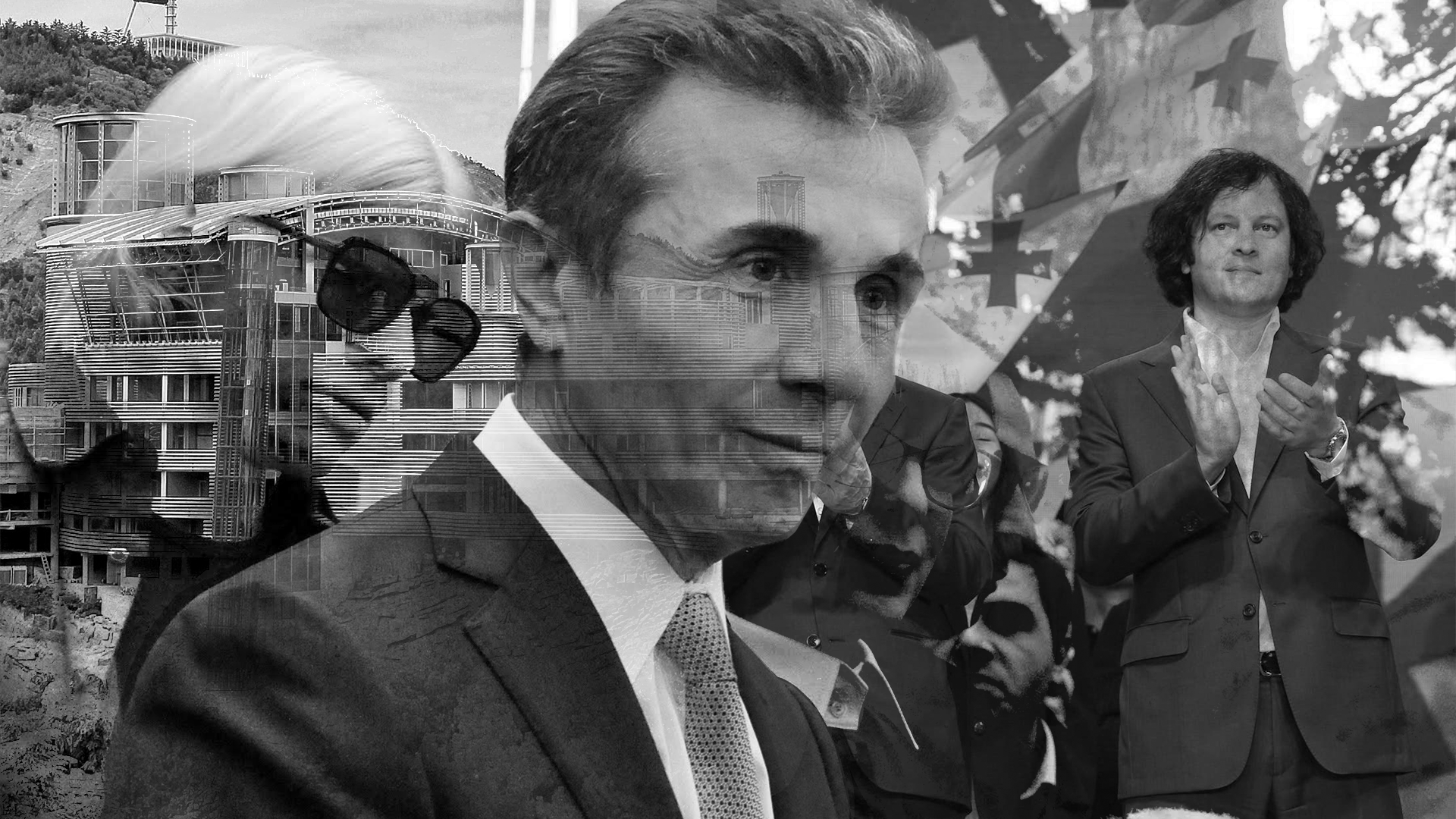
Bidzina Ivanishvili could be the villain in a James Bond film. He lives in a futuristic steel-and-glass palace overlooking the Georgian capital, Tbilisi, complete with an aquarium where he keeps sharks as pets. His hobby is collecting gigantic trees, which he ships across the Black Sea in spectacular fashion. In the second episode of our series The New Oligarchs, we examine the case of Georgia, and the enormous influence of Bidzina Ivanishvili.
Bidzina Ivanishvili is not just a billionaire with eccentric traits. His influence over Georgian politics is hard to overstate. In his homeland, Ivanishvili is known as Georgia’s puppet master.
Ivanishvili made his fortune during the chaotic 1990s following the collapse of the Soviet Union by acquiring steel mills and banks. Today, he is Georgia’s richest man, with a fortune worth roughly a quarter of the country’s GDP. In 2012, he entered politics by founding the Georgian Dream party. He served as prime minister until 2013 under the party’s banner. Although Ivanishvili initially announced that he would leave politics afterward, he later returned as party chairman. In that role, he has continued to wield enormous influence. According to his critics, he has used that influence primarily to strengthen ties with Russia.
Georgia is a country that stands at a crossroads. Will it choose closer integration with the European Union, as a large share of the population desires? Or will it deepen its relationship with Putin’s Russia, as the country’s oligarchic elite, led by Ivanishvili, prefers?
Ivanishvili has been the driving force behind anti-LGBTQ legislation and the controversial ‘foreign agents’ law. This legislation requires organizations that receive more than 20 percent of their funding from abroad to register as organizations pursuing the interests of a foreign power. In Russia, similar legislation marked the beginning of a broad crackdown on independent media and human rights organizations. The law sparked massive protests in Tbilisi that held on for months, but was nevertheless enacted.
Will Georgia ultimately slide into oligarchic rule, or will the country, still an official candidate for EU membership, find its place in Europe?
- Door
- Devi Smits
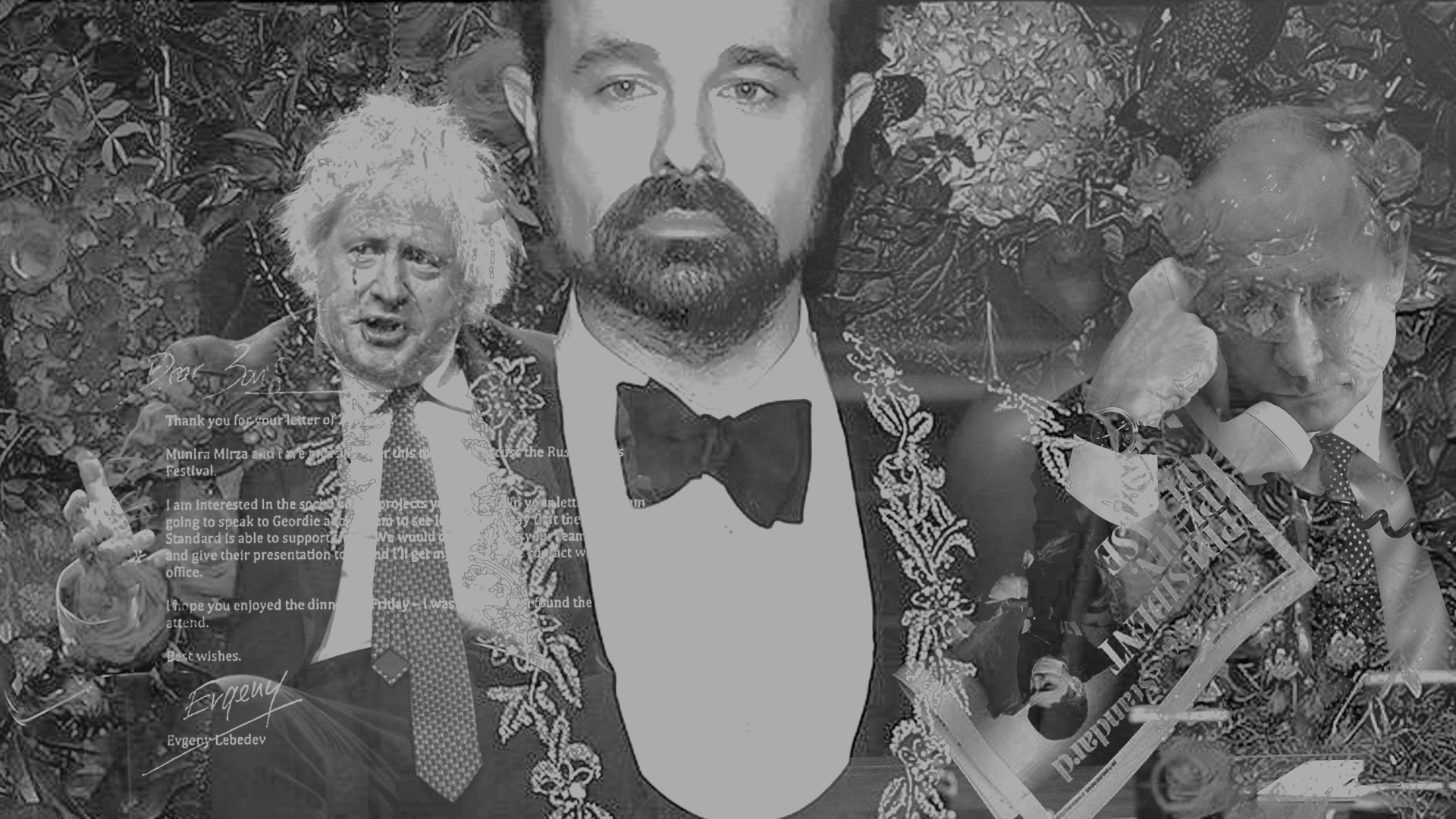
If it looks like an oligarch, walks like an oligarch and quacks like an oligarch… yet Evgeny Lebedev insists: don’t call him an oligarch. The Russian-born British billionaire cuts an unusual figure among today’s ultra-wealthy. His rise teaches us a lot about the modern oligarchy, which is the subject of a new four-part series by
with Pieter Omtzigt and Paul Caruana Galizia