- director
- Férid Boughedir
- duration
- 100m
- Q&A
- 30m
- country
- Tunesië
- year
- 1983
- language
- French
- subtitles
- ENG
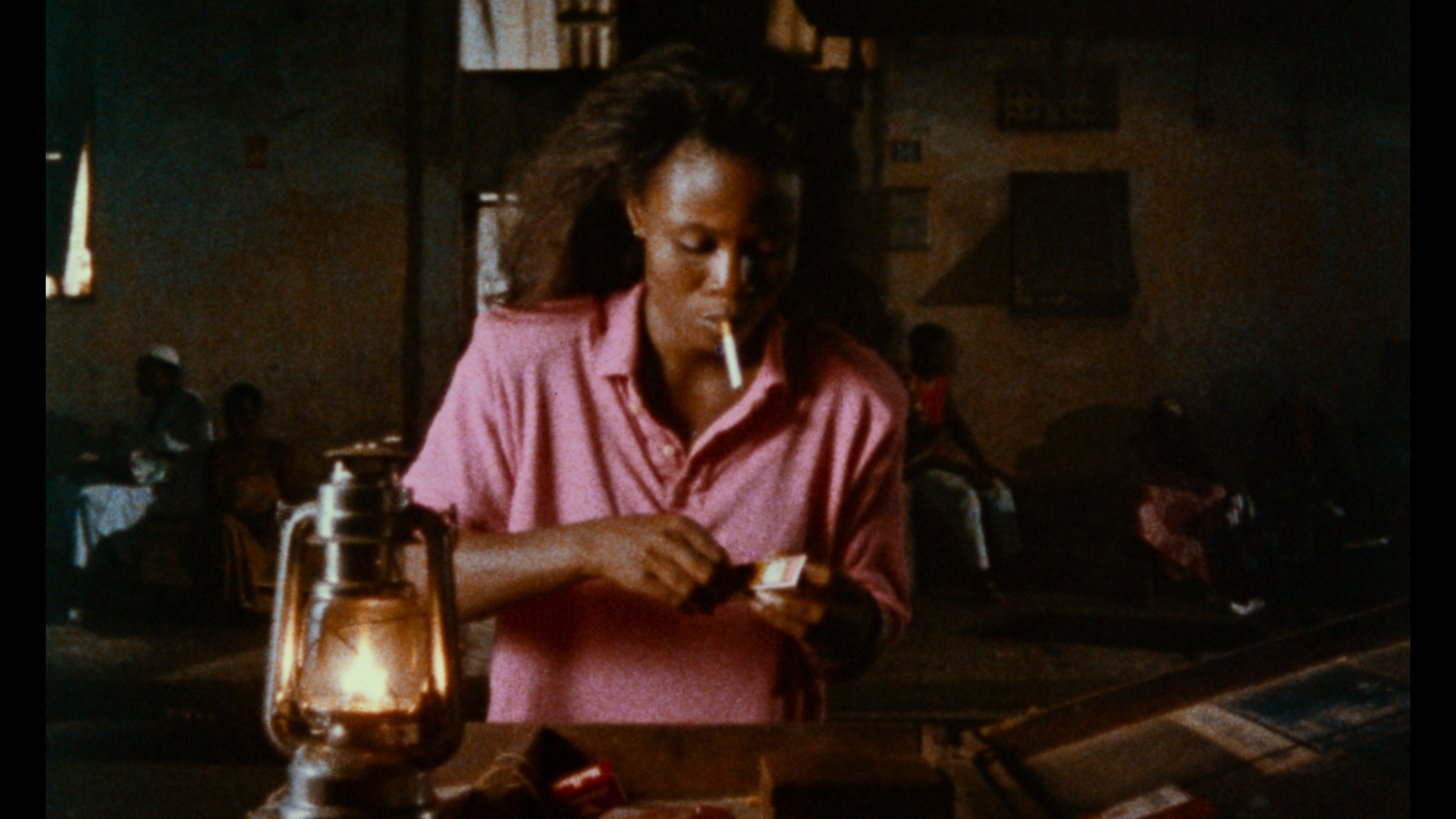
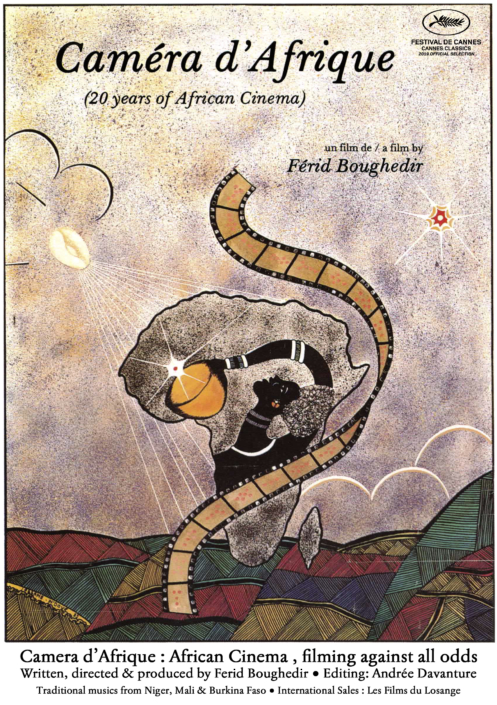
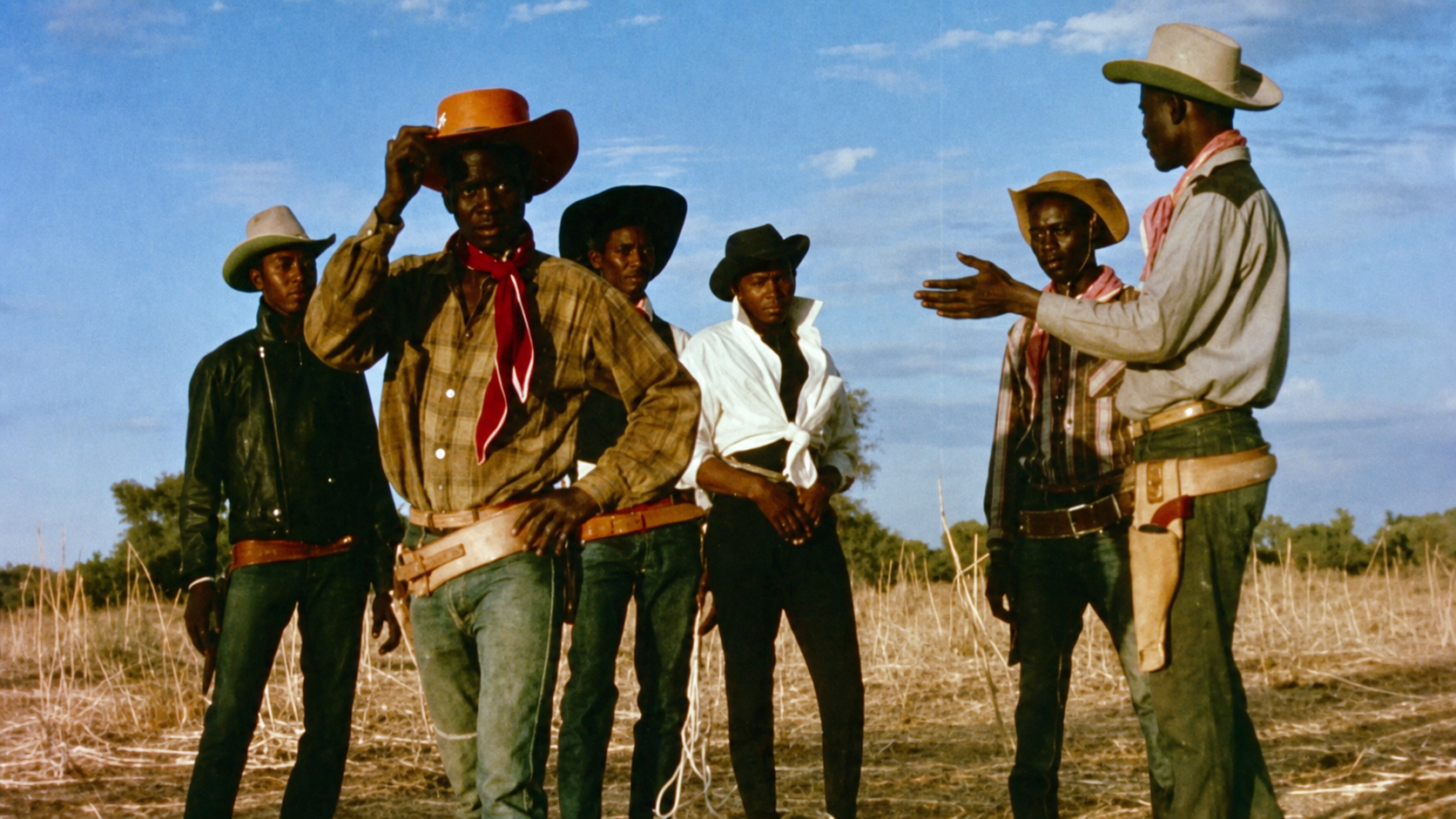
A landmark history of African cinema, Férid Boughedir’s Caméra d’Afrique captures the emergence of a generation of filmmakers determined to challenge colonial images of the continent and tell their own stories. Through archival footage, film excerpts and interviews with pioneering directors as Med Hondo, Safi Faye and Ousmane Sembène, Boughedir traces the rise of African cinema after independence.
After the screening of the iconic documentary, there will be a Q&A with artist and film director Oumar Mbengue Atakosso and curator Stefan Malešević led by Rokhaya Seck. What opportunities emerged when African filmmakers no longer had to conform to the expectations of the colonial gaze? What is the current state of African cinema? And to what extent do European funders and film festivals continue to determine which stories are told today?
This screening is part of 60 Years of West-African Cinema, a programme looking back at the first decades of African film history following independence, presented in collaboration with Black Achievement Month, Institut français NL and Cinémathèque Afrique.
Speakers
Oumar Mbengue Atakosso is an established artist from Dakar, Senegal, based in the Netherlands, who has realized exhibitions and multiple art projects and lectures around the world with controversial exhibitions such as Lost & Found and Museum of Im/migration in which he explores the position of the ‘post modern immigrant’, and what an individual, traveling through space and time has to lose or gain in his/her encounter with the destination, in this case, an encounter with the ‘West’. He is executive director of Africa in the Picture Festival (AITP).
Stefan Malešević is a film director from Belgrade who has been living in the Netherlands with his family since 2019. Stefan studied film directing under the mentorship of Béla Tarr at the Sarajevo Film Academy. He made three award-winning feature films: Gora, Mamonga, and Soil and Wings.
Rokhaya Seck is a program maker and moderator with expertise in cultural criticism, feminism, emancipation, and journalism. Previously, she worked as an editor for the talk show M and contributed to the documentaries Zwart als Roet (2014) and Wit is ook een kleur (2017) by Sunny Bergman.
Q&A



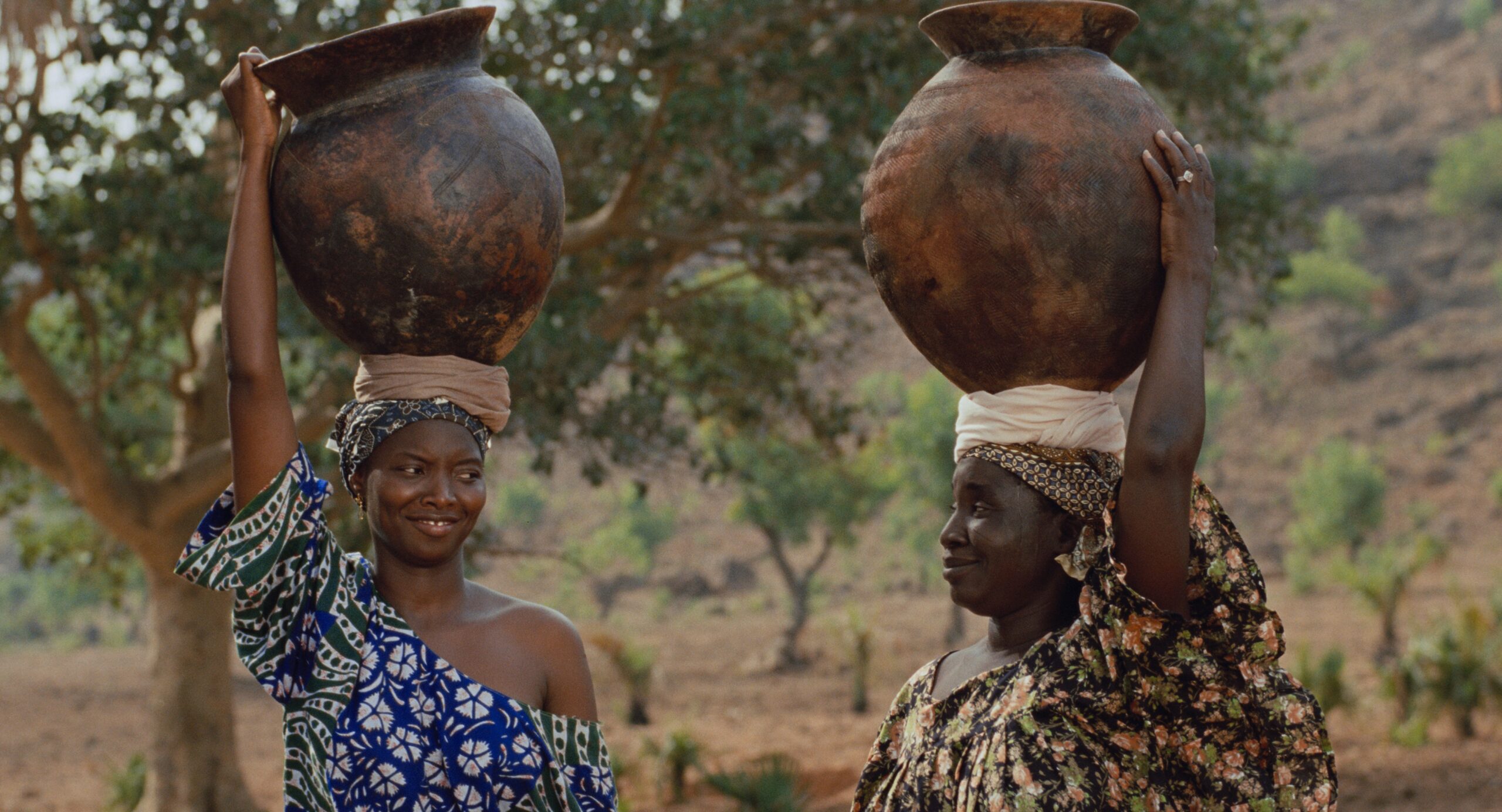
Demi-dieu, een rijke boer en dorpshoofd, heeft vijf vrouwen. Wanneer hij besluit een zesde vrouw te trouwen, de jonge Binta, heeft hij daar een bijzondere reden voor: hij wil voor iedere dag van de week een vrouw hebben — met uitzondering van zondag, zijn rustdag. Zijn vijf vrouwen zijn allerminst blij met zijn plan. Maar