
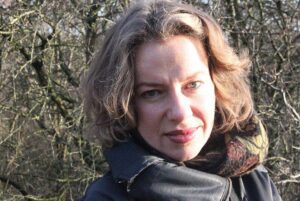
Otets is a poignant artistic portrait of priest and freethinker Sergei Ovsiannikov (1952, Leningrad – 2018, Amsterdam), tracing the many layers of his life and personality – from his roots in an authoritarian homeland, through his emergence as a spiritual leader, to the fraught relationship he had with his children.
Sergei Ovsiannikov grew up in the Soviet Union in a strict communist family, where he wrestled with the ‘inner sniper guard’ — the fears and self-censorship instilled by the regime. In Amsterdam, he transformed a modest immigrant church into a thriving, multicultural community — a refuge for believers and non-believers from both East and West. Otets is about his search for freedom. Did he find it in the free West? And is liberation even possible for someone who carries dictatorship in their mind?
Many regarded Sergei as a living saint, a father figure who guided hundreds of people on their spiritual paths. Yet the same high standards he imposed on himself, he also placed upon his children. There was love between them, but the shadow of his own troubled past turned parenthood into a complex and at times painful task. It left deep marks, raising questions later in their lives about his way of raising them and the legacy of his past.
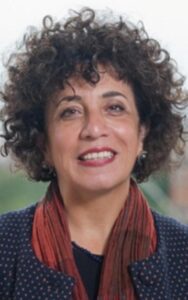
After the film, we will delve deeper into these compelling themes in a conversation with Fariba Rhmaty, exploring transcultural parenthood and the imposed legacy that can reverberate across generations.
Please note: The film will be screened with English subtitles, but the conversation after the film will be held in Dutch.
Before the screening, the Rachmaninov Chamber Choir, under the direction of Anna Azernikova will set the evening’s atmosphere, creating the right tone for the audience to fully immerse themselves in the many layers of Otets.
The Rachmaninov Chamber Choir, founded in 2005 in Amsterdam by conductor Anna Azernikova, specializes in Eastern European and Slavic choral music. Known for its dynamic sound and performances of sacred and classical works from the 18th century to today, the choir has built a loyal audience at its home venue, the Nassau Church, and beyond. It has toured internationally, collaborated with choirs in Ukraine and Russia, and performed at cultural events such as the Holland Festival and IDFA. Recent highlights include Tanejev’s Ioann Damaskin and concerts dedicated to Rachmaninov, Tchaikovsky, and Pärt, with its latest performance in June 2025 at Amsterdam’s 750th anniversary Festival Op de Ring.
Fariba Rhmaty is a specialist in trauma treatment, with extensive expertise in transcultural psychiatry and systemic therapy. She is co-founder of the Cooperative Expertise Center for Transcultural Therapy U.A., lead trainer and supervisor at NVRG, RINO Amsterdam and Utrecht, and founder of the ETT Academy. She developed the Transition Treatment Model, which uses techniques such as self-disclosure and genograms to create a safe space where clients can access their sources of strength. With 32 years of experience, she works with families from diverse cultural backgrounds and with refugees.
Nataliya Golofastova was born in Odessa and grew up on the film sets of Odessa Film Studio, where her passion for film and theatre began. Since 1991, she has lived and worked in the Netherlands as a multimedia artist, director, and actress, with works ranging from theatre and performance art to her feature-length debut Otets.
Sprekers
Wegens ziekte is dit programma geannuleerd In gesprek met Geert Mak, over zijn nieuwste werk Wisselwachter. Welke spiegel houdt Maks geschiedenis de VS van vandaag voor? In Wisselwachter schetst Geert Mak een Amerika dat zich aan Europa verbond met een morele belofte. Roosevelt en zijn adviseur Harry Hopkins gaven vorm aan een wereldorde die schijnbaar

