

Mass protests in Iran appeared to shake the Islamic regime. But the status quo is enforced, for now, through extreme violence. What is needed to bring about a free Iran?
The most recent wave of protests that flared up in Iran at the end of December was violently suppressed by the Islamic regime. US-based Human Rights Activists News Agency (HRANA) confirmed over 6,000 deaths and is still investigating a further 17,000 potential cases. The demonstrations and the subsequent violence largely took place in a black box. The regime cut the country off from the internet.
Given its long history of protest, Iranians have repeatedly taken to the streets: student protests in the 1990s, the Green Movement following the contested elections of 2009, and the nationwide uprising of 2022-23 after the death of the Kurdish-Iranian Jina Mahsa Amini. Under the slogan Jin, Jiyan, Azadî, or Woman, Life, Freedom, a new generation openly challenged the ideological foundations of the Islamic Republic.
As the price of basic goods such as fuel, rice, and chicken rises and livelihoods disappear, cracks in this self-devouring regime, weakened by attack by Israel and the United States, begin to show, and the possibility of a full-scale revolution slowly but surely becomes thinkable. But in the wake of a general rejection of the regime, the open question remains: what is it that Iranians need for a free Iran? And mostly, what does a free Iran look like?
MENA Voices
This programme is part of MENA Voices. In this series De Balie sheds light on the Middle East and North African (MENA) region. We invite international, regional and local speakers to unravel the social, political and historical dynamics affecting the different countries and diaspora communities.
Speakers

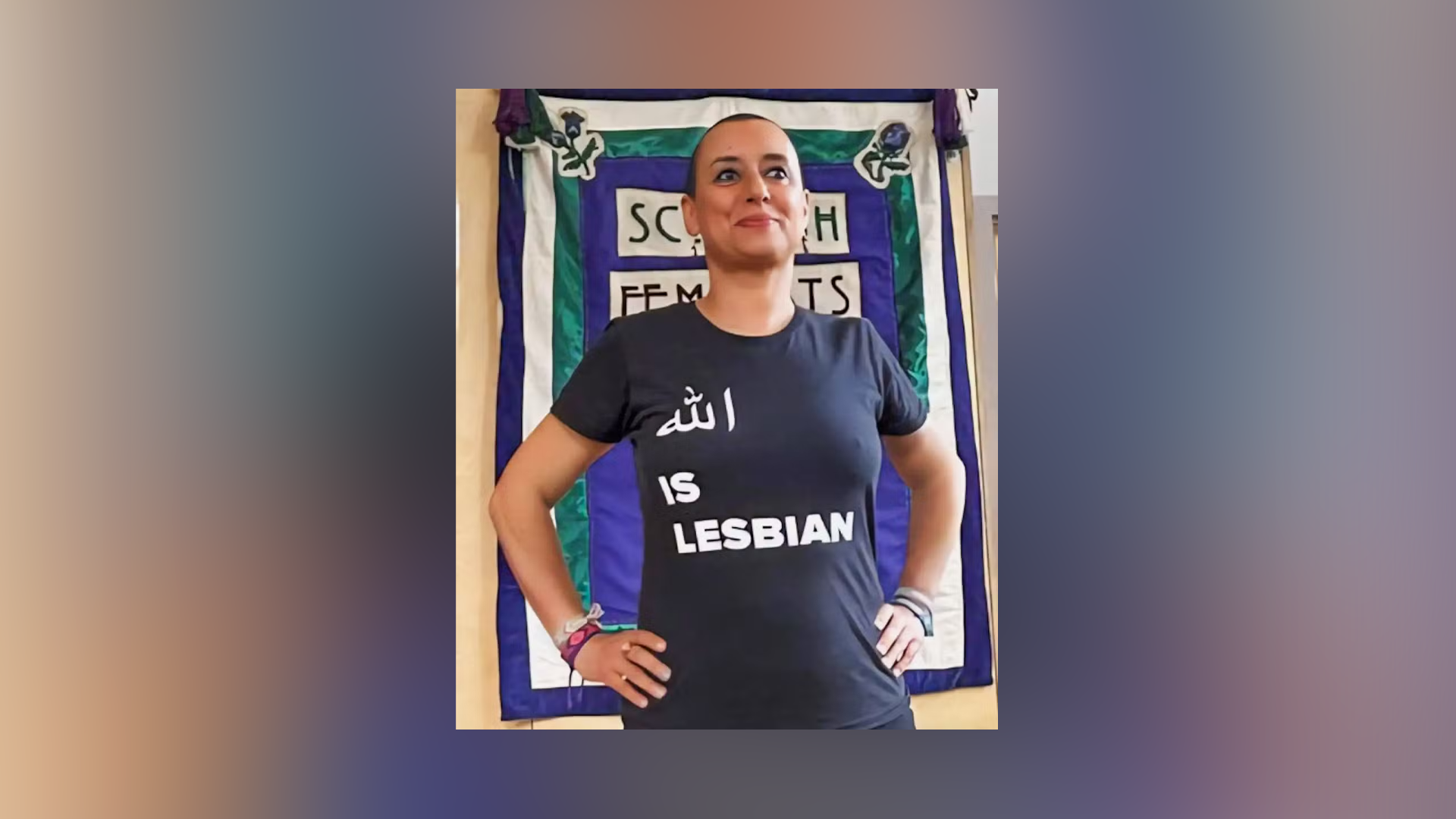
At least 89 countries have laws against blasphemy. Blasphemy laws are a powerful instrument of state repression, not least directed at women. How does the relationship between religious dissent and state power function, and how can a form of resistance be found in blasphemy? Ibtissame Lachgar is serving a prison sentence in Morocco because she wore