Tens of thousands of civilians have likely been killed in the city of El Fasher, Darfur. The atrocities still continue. What can the Netherlands, Europe and other international actors do?
The war in Sudan is now entering its fourth year and is becoming increasingly bloody. In the city of El Fasher, the Rapid Support Forces have committed large-scale crimes against humanity and acts of ethnic cleansing, according to Amnesty International’s report City Under Siege, Children Under Fire. Children were deliberately targeted, women were subjected to sexual violence, and thousands — probably tens of thousands — were killed.
The war has produced the largest displacement crisis in the world. Some fourteen million people have fled their homes. Those who flee rarely find safety: in Egypt, Sudanese refugees face arbitrary arrest and deportation, while reception in Europe grows ever harsher. Meanwhile, foreign arms deliveries keep the war going, and Europe barely confronts its biggest sponsors.
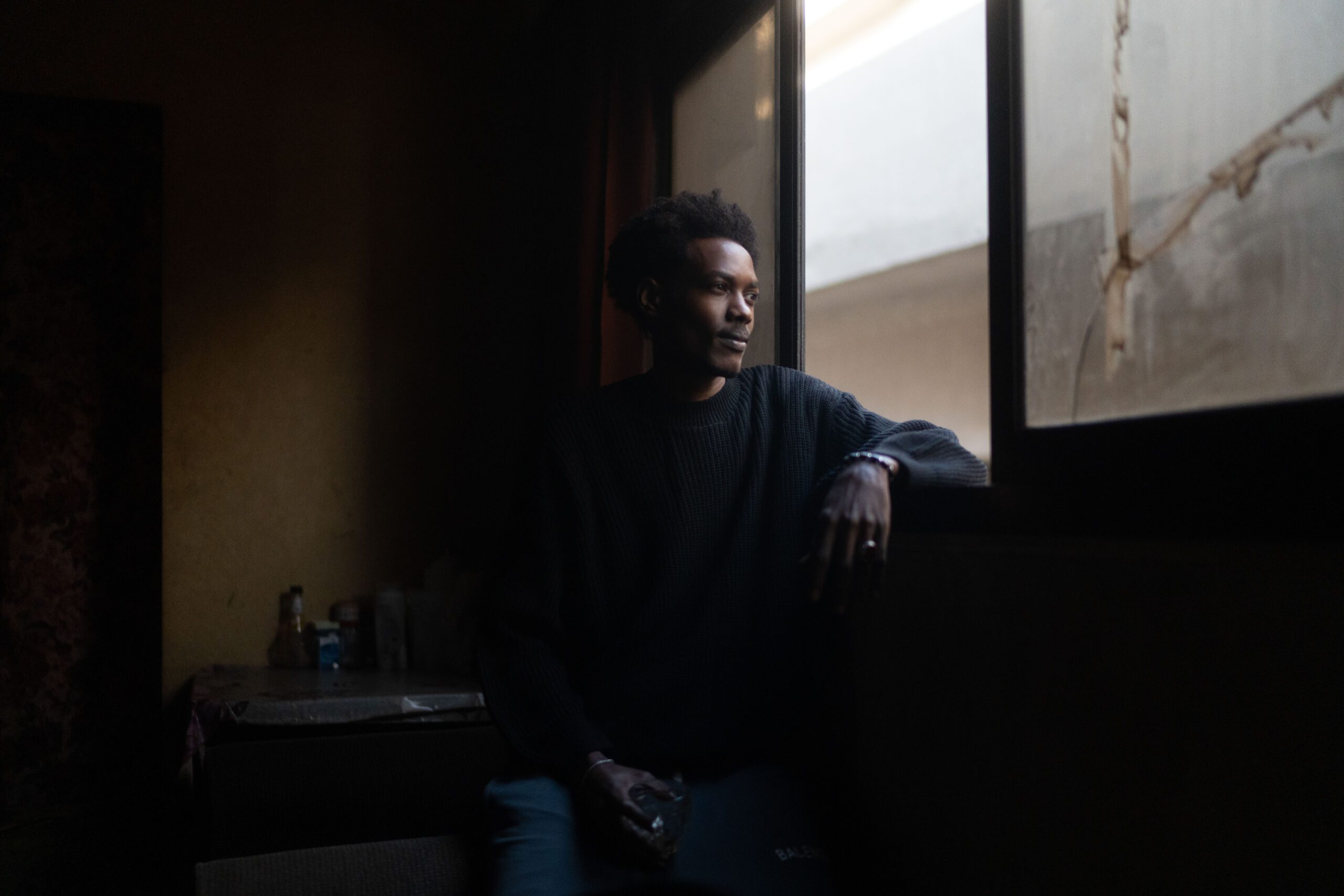
This programme is accompanied by a photo exhibition. More information below:
Expositie
He left to get groceries – daily life in Sudanese anonymity
Janine MornaHuman rights researcher with Amnesty International
Simon RuischPhoto journalist
Abdulaal HusseinAdvocate
Afeif IsmailAward winning poet
De Balie in je mail, werkt geestverruimend
di 10 nov / 20:00
Geopolitiek & Mensenrechten
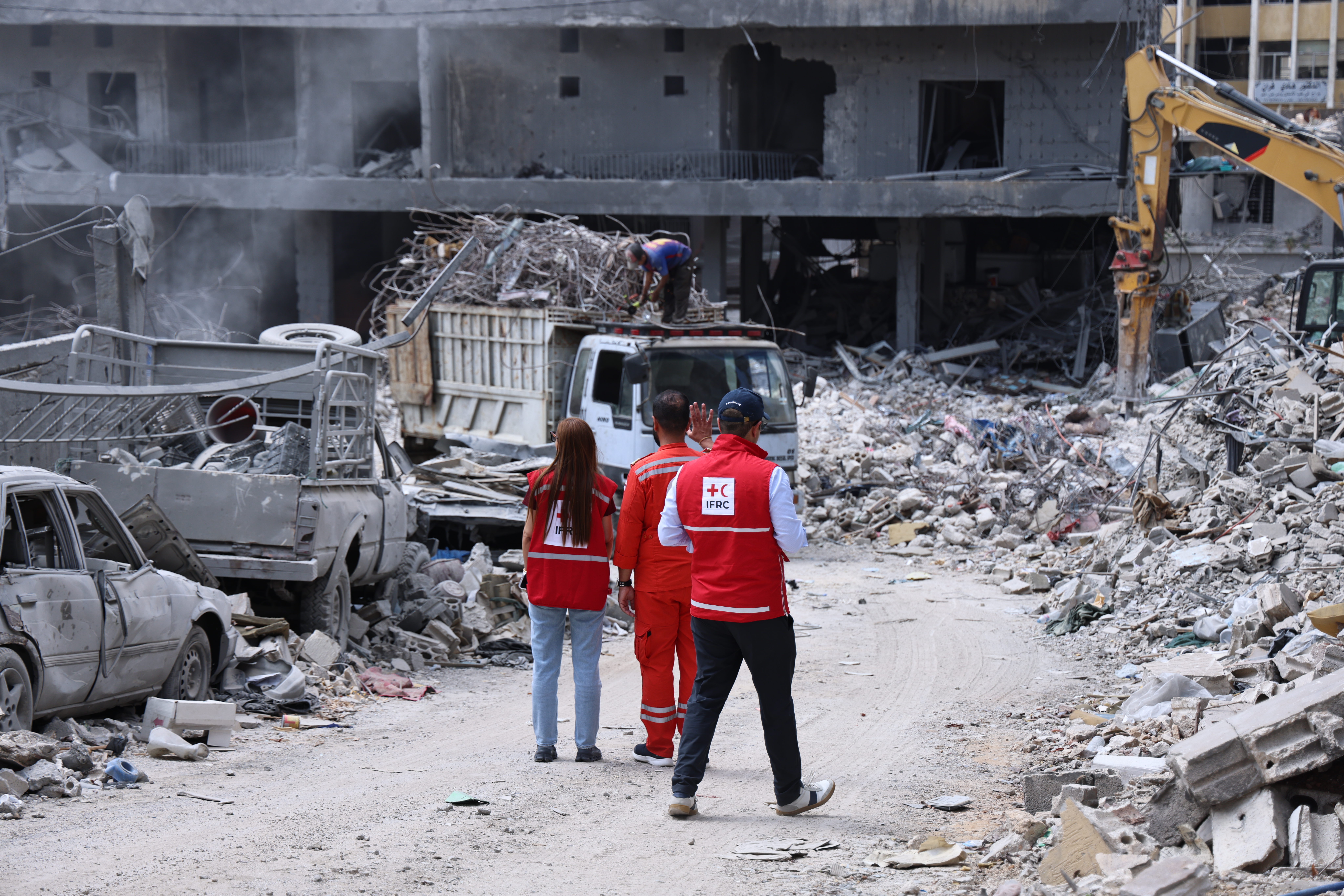
Wie helpt de hulpverlener?
Hulp bieden in oorlogsgebied is de afgelopen jaren aanzienlijk gevaarlijker geworden. Partijen voelen zich steeds minder aan het internationaal recht gebonden en steeds vaker worden ook hulpverleners aangevallen. Wat is ervoor nodig om het internationaal recht in stand te houden en daders niet straffeloos te laten gaan? Het Rode Kruis-symbool hoort hulpverleners in oorlogsgebied te