IDFA x De Balie
The best of IDFA selected by De Balie from November 12 till 22
De Balie has selected six of the best films featured at IDFA. Documentaries on a wide range of subjects, that share a common thread: they are auteur-driven works, created with a distinct artistic vision. Films that use the camera as a tool of expression, rather than mere registration. Join us after each screening for a conversation hosted by De Balie, with filmmakers and notable guests.
Ticket sale starts at October 28.
IDFA x De Balie
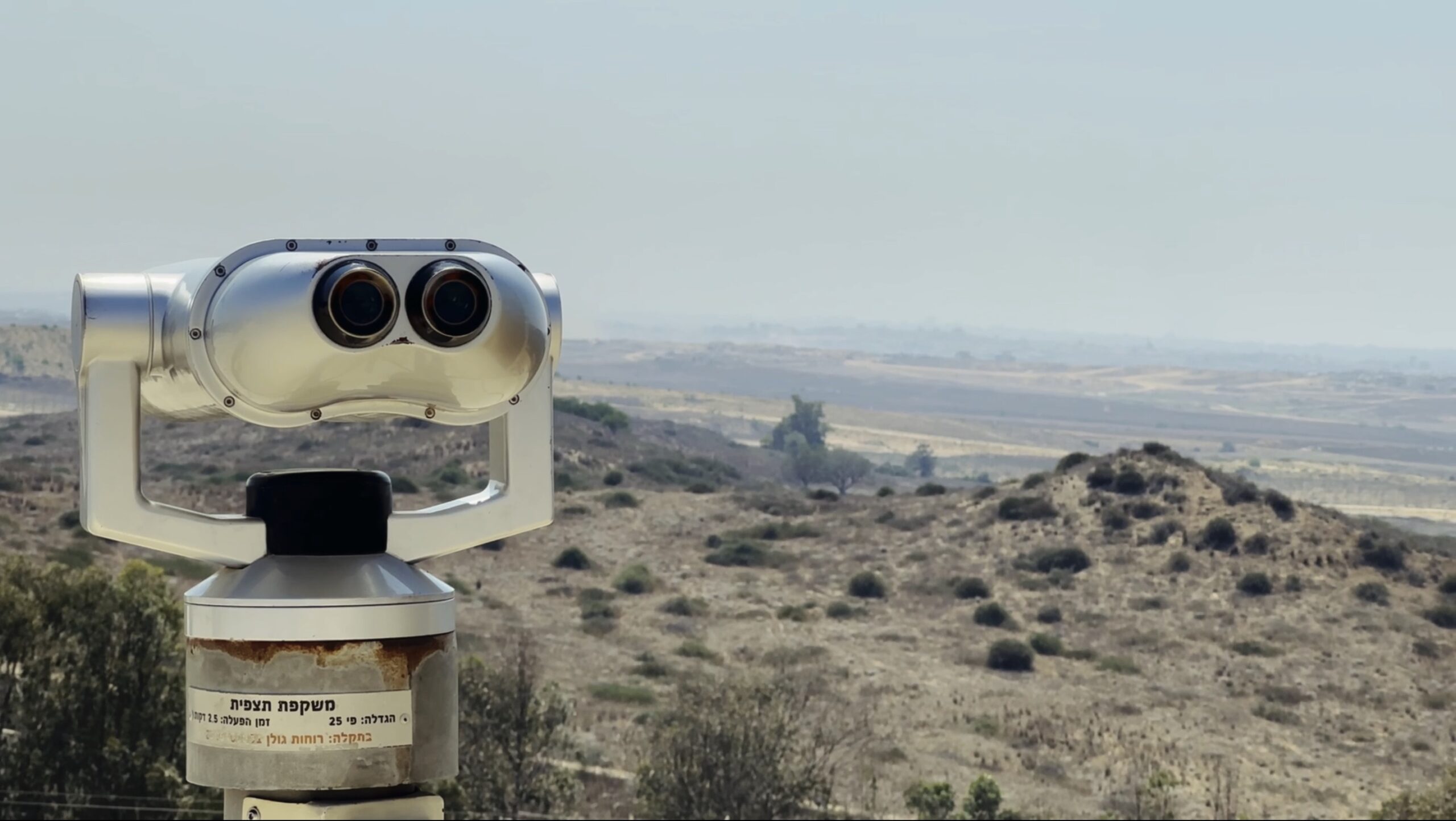
On October 7, 2023, Israeli filmmaker Anet Even lost her home and friends in the Hamas attack on Kibbutz Nir Oz. Now, she returns to document what remains there—destroyed homes and the stench of death—and what is happening on the other side of the barrier that has stood there since the 1990s. A genocide is
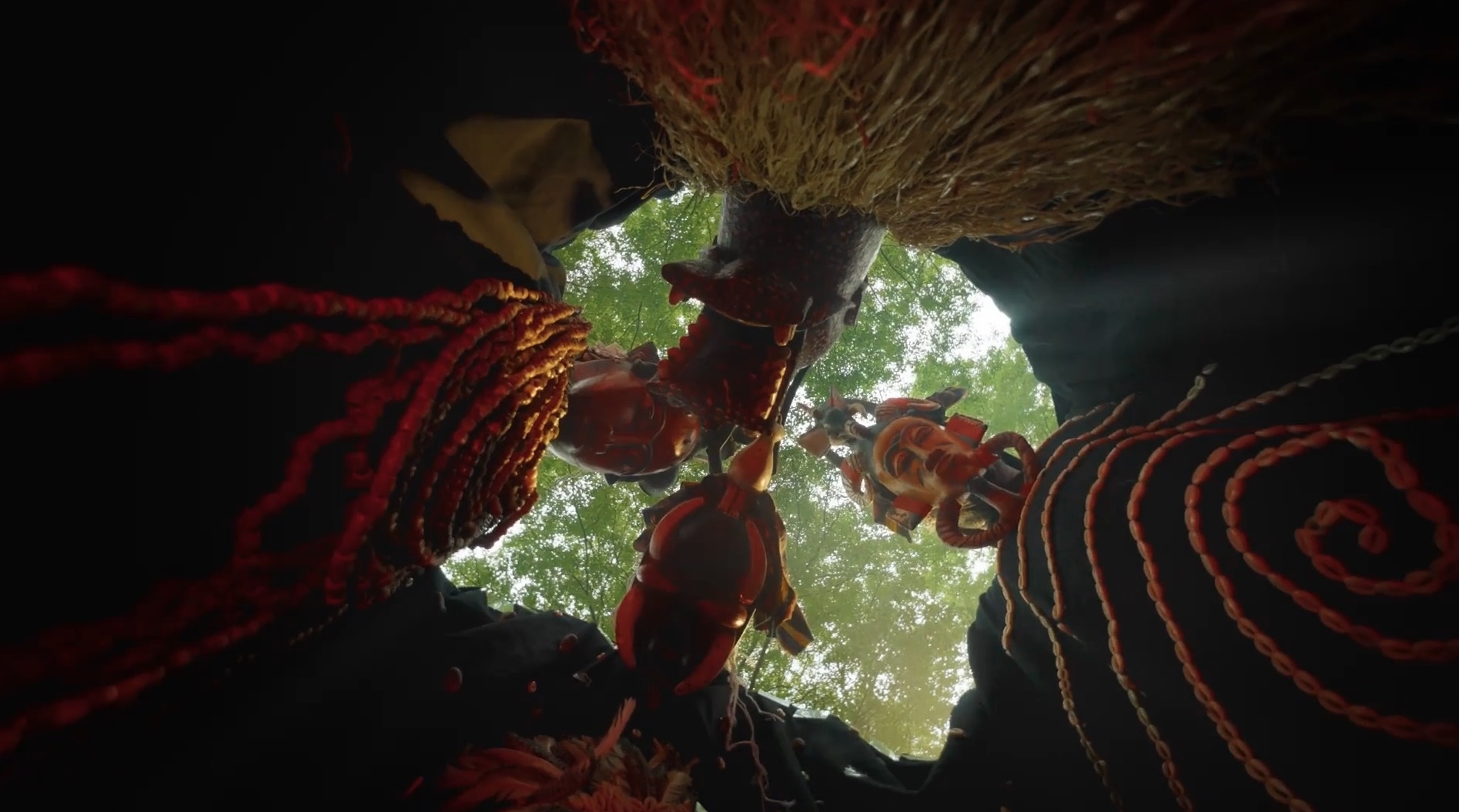
Six years ago, friends Inza and Kader from Ivory Coast risked their lives crossing the Mediterranean. Kader, an optimistic man of action, now has a residence permit and a job in Italy. Inza, nicknamed Bourgeois, traveled on to France, where he lives undocumented with little prospect of being granted asylum. According to Kader, Inza is
A cry for help reaches filmmaker Rati Tsiteladze one day in 2017. It comes from Adelina, a young trans woman who has been locked up in her parents’ home in a Georgian village for the past eleven years. In Austria, which Adelina chooses as a place of refuge, she is left to fend for herself

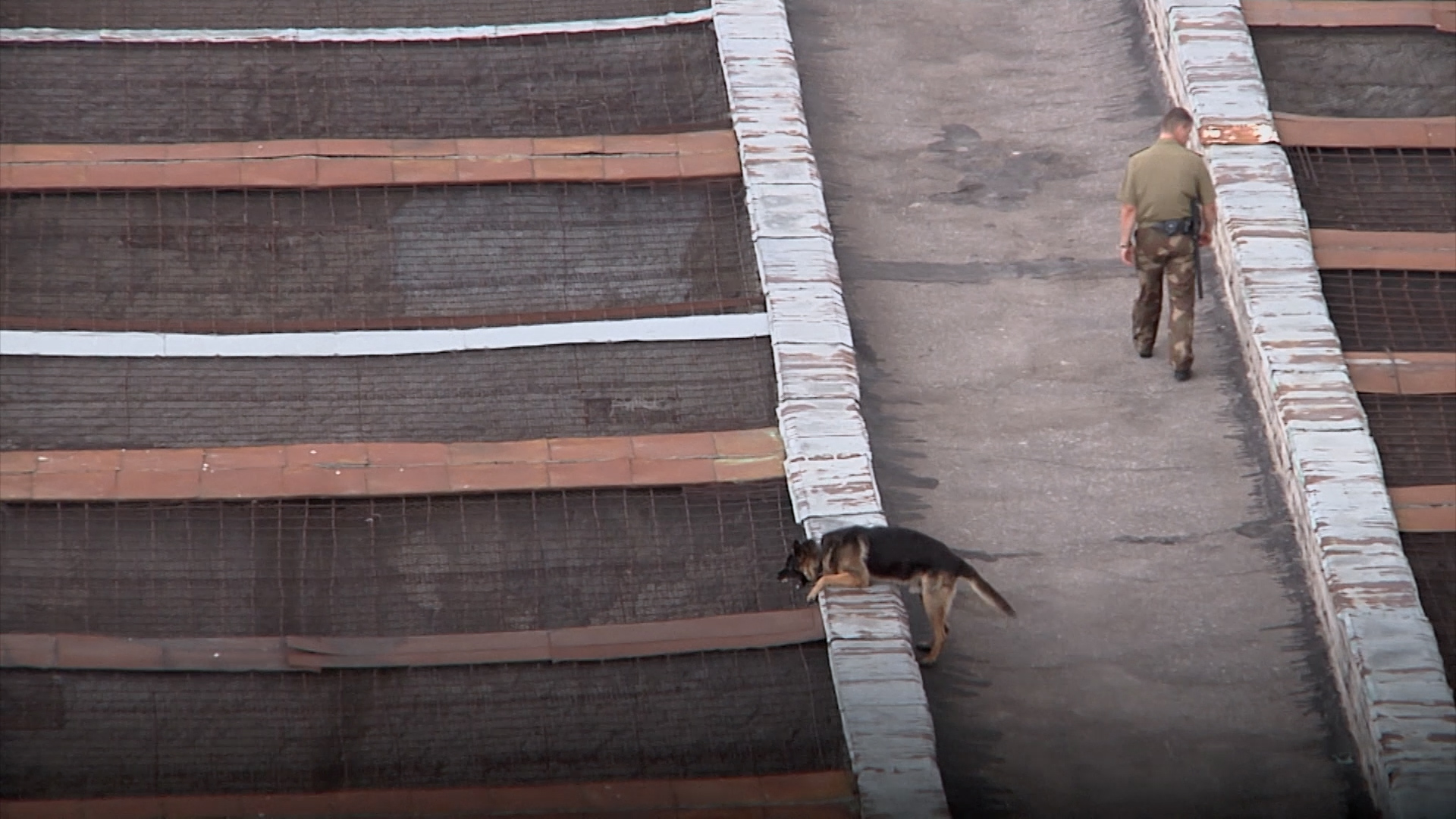
Scenes of protests being brutally suppressed and testimonies from people persecuted for political reasons paint a compelling picture of the ruthlessness with which Aleksandr Lukashenko’s dictatorial regime in Belarus suppresses dissent. Belarus has endured daily repression for 30 years under the regime of dictator Aleksandr Lukashenko. In Letters from the Silenced Country, a man says,
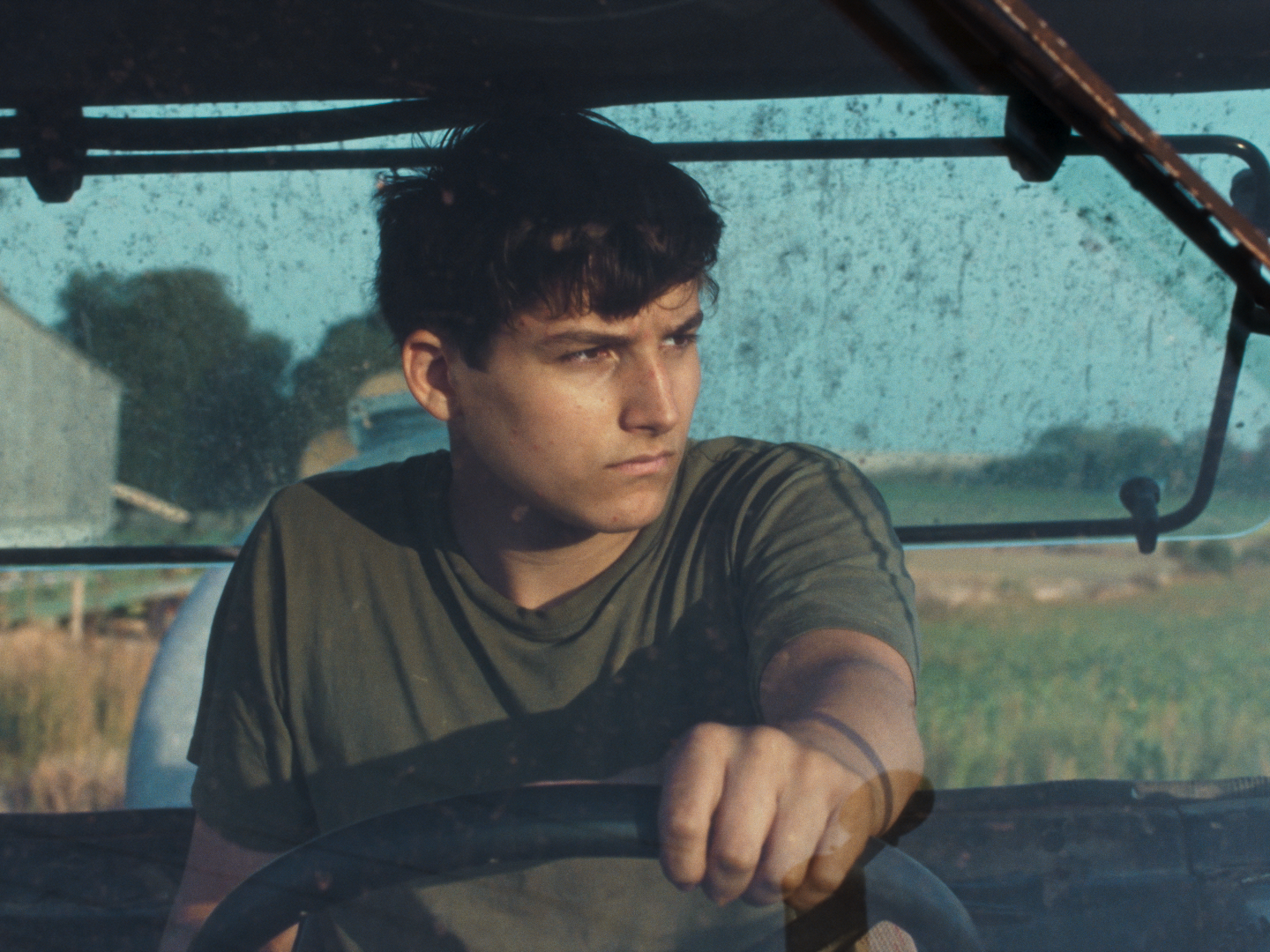
For ten years, this coming-of-age documentary follows Gabin, a sensitive teenager growing up in the French countryside. Between the expectations of his hardworking parents and his own dreams, he gradually finds his own path. Gabin doesn’t want to follow in his father’s footsteps. He has no desire to be a butcher; he wants to work
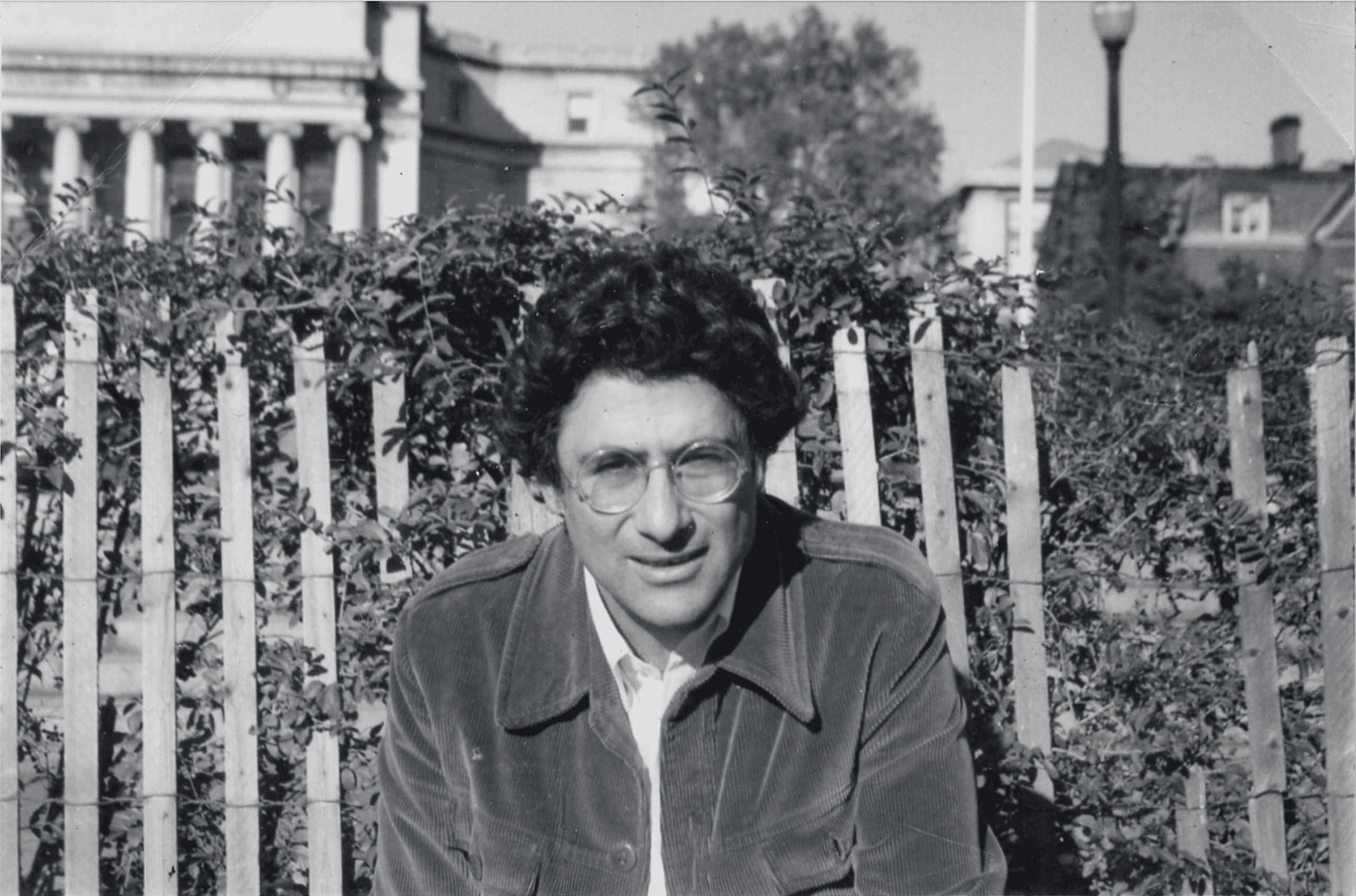
As a professor at Columbia University, virtuoso pianist and incisive critic Edward Said operated at the very heart of the academic world. Yet from his birth in Jerusalem in 1935 to his death in New York in 2003, the Palestinian-American thinker remained a rootless outsider. No one deconstructed the Western gaze on the Middle East