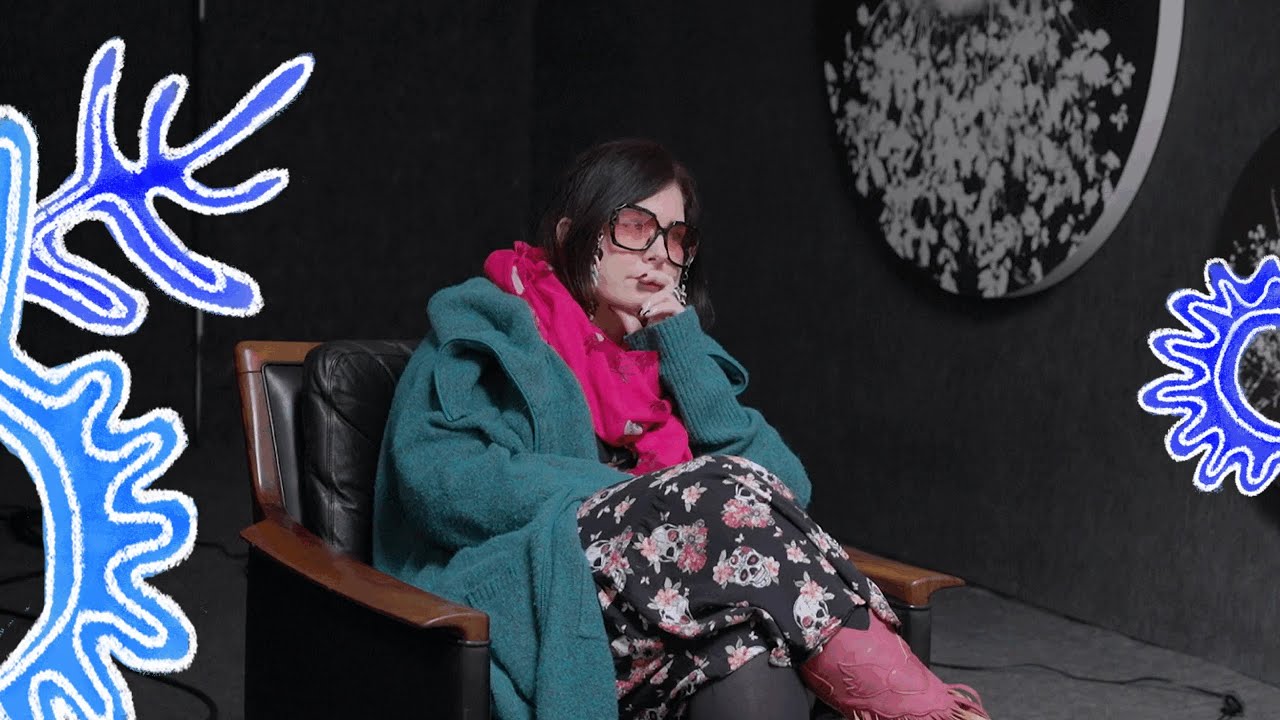
TINKEBELL.
26 november – 4 januari 2026
Hideous stories, beautifully depicted. TINKEBELL. will doing everything to tell a story that needs to be told without making any concessions. For the art project Flora Tata Metellica (2021–2022) and its follow-up Arena Candidus Solvay, she collects materials from the polluted areas surrounding the Tata Steel factory in Wijk aan Zee (NL) and the Belgian chemical company Solvay (IT) to create artworks. With direct consequences for her own health, TINKEBELL makes harmful emissions painfully visible.
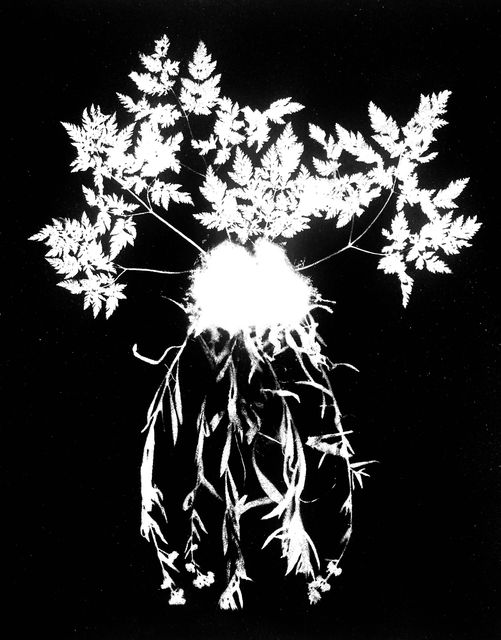
Flora Tata Metallica (2021-2022)
For a year, TINKEBELL. regularly visited the dunes of Wijk aan Zee, right next to the controversial Tata Steel factory. Here she shoveled sand and collected flowers and plants: the basic material for Flora Tata Metallica. She then went through the sand with a magnet almost daily for hours on end to extract the fine and coarse dust from that factory. Painstaking work.
But the truly troubling part of the process came afterwards, while blowing the huge amounts of black Tata dust over the flowers she draped on canvas. Inhaling the particulates that also float through the air in Wijk aan Zee gave TINKEBELL. regular headaches, nausea, dizziness and frequent nosebleeds.
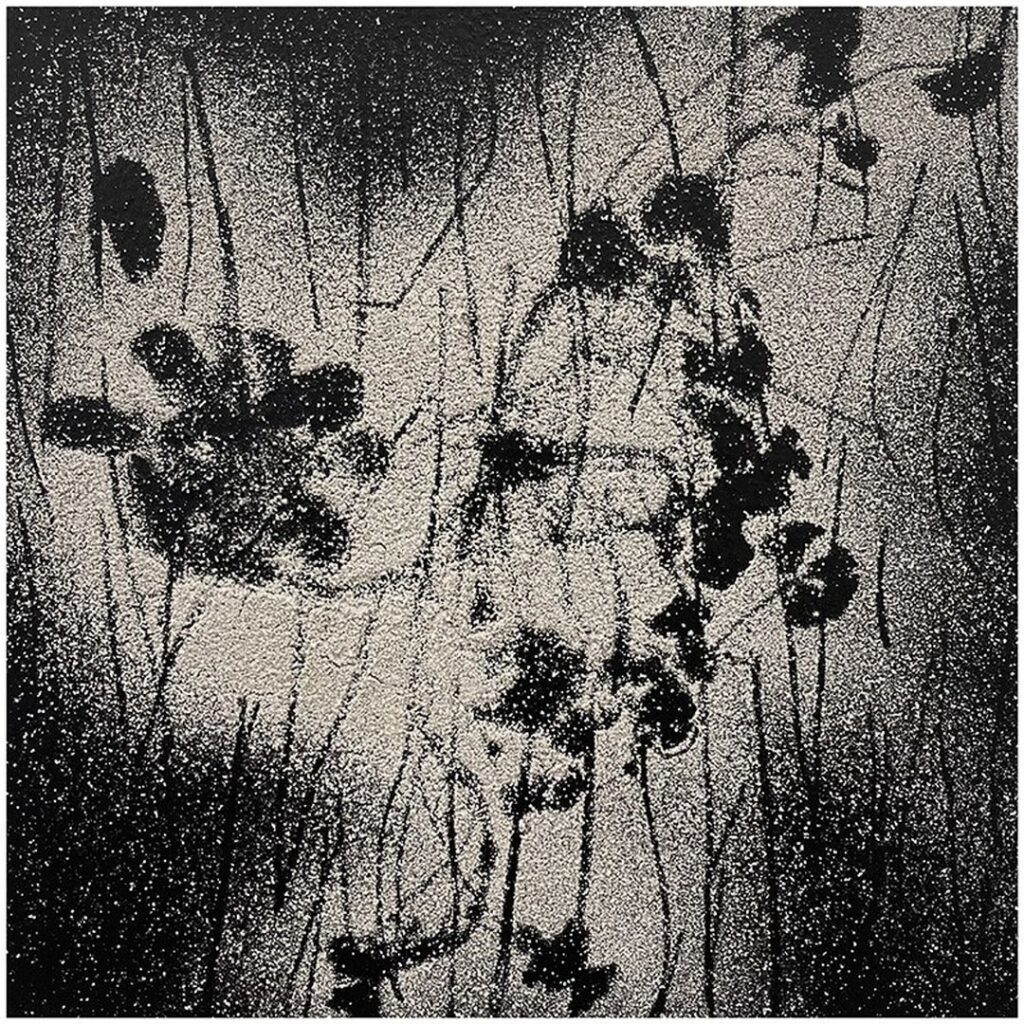
Arena Candidus Solvay (2023)
Unsuspecting influencers take selfies at the ‘Spiagge bianche’ (white beaches) of Rosignano Solvay as if they are on a tropical island. At this beautiful beach in Tuscany, the sand is unusually bright white and the water is light blue. However, this effect is caused by a nearby factory and is highly pollutive. The Belgian chemical company Solvay has been dumping its emissions into the Mediterranean Sea undisturbed for over 100 years.
The factory discharges its soda ash into a stream created for this purpose that leads directly to the sea. This material ‘bleaches’ the beach, so much so that it can be seen on satellite photos. It also severely decreases the area’s biodiversity. Meanwhile, different heavy metals and other toxics that come out of the chimneys settle in the area, causing a higher risk of heart disease, neurological disorders and cancers among the local population. During several visits, TINKEBELL. dug the white soda ash directly from underneath the bottom of the trash river and collected vegetation from the Solvay site, such as pinecones and pine needles. Back in her Amsterdam studio, she used the factory’s trash to create prints of the plants on prepared black canvas, thus making artworks that are deceptively pretty – just like the beach at Rosignano Solvay.
About the artist
TINKEBELL. (1979, Goes) is (currently) saving the world. She researches frictions in our norms: how we behave, how we live, how we connect with each other; our position towards animals, the environment, the future of our food, phosphate issues, (social) media, refugee frames, politics, the clothing industry, multiculturalism, communication difficulties, the spreading of (fake) news, everything related to Fukushima and more.
TINKEBELL is represented by Torch Gallery.
From 1 November until 20 December TINKEBELL. is exhibiting a new series of artworks, made entirely from Shell waste, at TORCH Gallery. This waste, a tar-like material dumped by Shell in a former mangrove forest on Curaçao, was collected by TINKEBELL. and used as “paint” with which she painted the natural environment that was destroyed by Shell. Oleum Shell isla de Curaçao is the title of this new series of artworks.