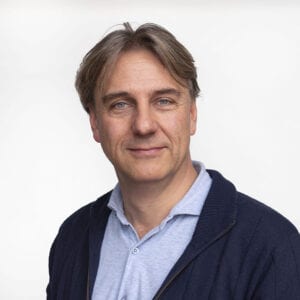

Three Russian MiG-31 fighter jets entered the Estonian skies ‘without permission and remained there for a total of 12 minutes’, as the Estonian government reported on September 19th. It is the latest example of the threat of Russian aggression. We speak with Toomas Hendrik Ilves, the former president of Estonia, who, during his presidency (2006-2016), faced increasing Russian cyberattacks and efforts to destabilize the region.
After Russia’s full-scale invasion of Ukraine, eyes have also been turned towards the Baltic states. Will Putin risk invading Estonia, Latvia, or Lithuania? Twenty-four years after the fall of the Soviet Union and the restoration of independence, the Baltic states have become frontline nations between Russia and the West. How do Russia’s neighbors, who have endured years of Russian oppression, view Europe’s security challenges now that Russia is increasingly testing the borders of Nato-territory?
Losing democracy happens in much the same way as a character goes bankrupt in Ernest Hemingway’s The Sun Also Rises: “gradually, and then suddenly
Toomas Hendrik Ilves, in The Economist
About the speaker
Toomas Hendrik Ilves, President of Estonia from 2006 to 2016, has been a key figure in shaping Estonia’s post-Soviet transformation and its role in Europe. Born in Sweden to Estonian refugee parents who fled Soviet occupation and mass deportation to Siberia, Ilves was deeply influenced by their experience of displacement. Before becoming president, he served as Estonia’s Ambassador to the United States and played a pivotal role in Estonia’s accession to the European Union and NATO in 2004. Durign his presidency he focused on Estonia’s digital innovation and cybersecurity and European integration.
Speakers


Roxane Gay, Pim Lammers, Rita Baroud, Maurits de Bruijn, De dolle mina’s en Femke Halsema
Met Roxane Gay, Pim Lammers, Rita Baroud, Jan Hoek, Maurits de Bruijn, Tatjana Almuli, De dolle mina’s, Mieke Aerts, Marianne Braun, Femke Halsema en Kevin Rooi 21 – 28 okt bij De Balie, OSCAM, Podium Mozaïek en DAT!school mede mogelijk gemaakt door: De Amsterdamse traditie van vrijzinnigheid wordt geëerd, bevraagd én voortgezet tijdens de zesde
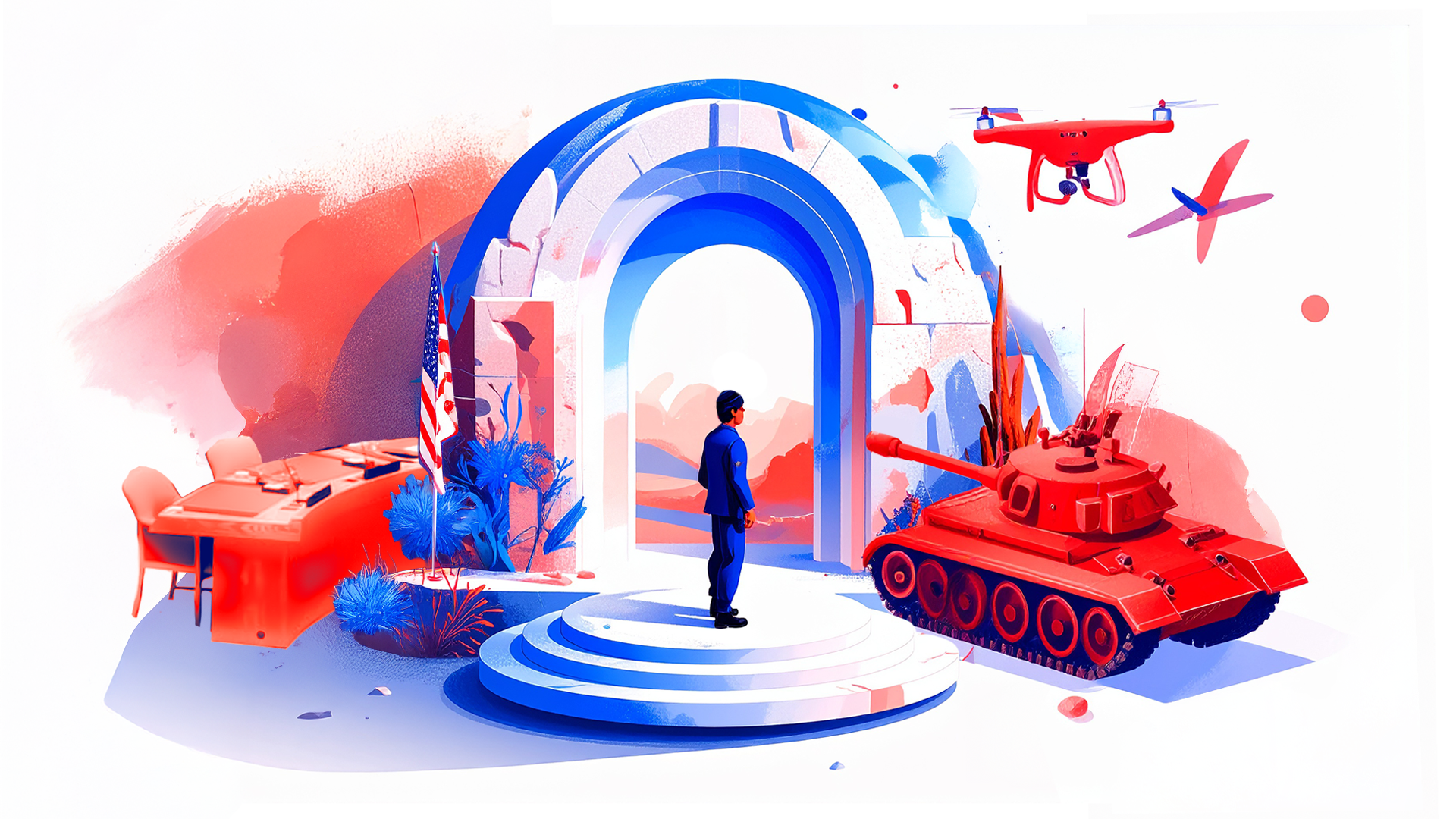
Met de oorlogen in Oekraïne en Gaza, een grillige bondgenoot in het Witte Huis en veranderende internationale machtsverhoudingen, doet het buitenland zich gelden tijdens de verkiezingen. Welke rol moet Nederland spelen op het wereldtoneel? Politici gaan in aanloop naar de Kamerverkiezingen in debat in De Balie.
Two authors write about the destruction of Gaza, each from their own perspective. She, as a Gazan journalist in exile; he, as a Jewish Dutchman. At De Balie, Rita Baroud and Maurits de Bruijn engage in conversation. How do you write about indescribable genocidal violence?