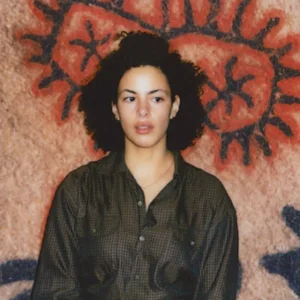



‘Allah is Lesbian’, those words appeared on a T-shirt worn by Ibtissame ‘Betty’ Lachgar in London, in protest and in solidarity with two lesbian activists who had been sentenced to death in Iran. When she set foot in her home country, Morocco, Lachgar was arrested and sentenced to two and a half years in prison for blasphemy. During the Freedom Lecture, her sister Siham Lachgar speaks about political prisoners in Morocco.
Morocco’s long history of political protest and dissent has an equally long record of state repression, which includes the political imprisonment of activists, journalists, and critics of the authorities. For decades, human rights organisations such as Amnesty International and Association Marocaine des Droits Humains (AMDH) have documented cases in which individuals have been prosecuted and detained for peacefully expressing dissenting views.
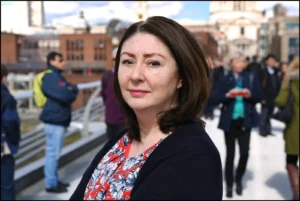
In this Freedom Lecture her lawyer Ghizlane Mamouni delivers a message on behalf of Betty, while speaks about the personal costs of activism, the way the law is used in Morocco to crack down on dissent, and the ways in which systems of power seek to govern and silence critical voices.
Following this program, an evening program will take place focusing on the relationship between blasphemy, state power, and women’s rights . There is a discounted combination ticket available for both programmes
Speakers



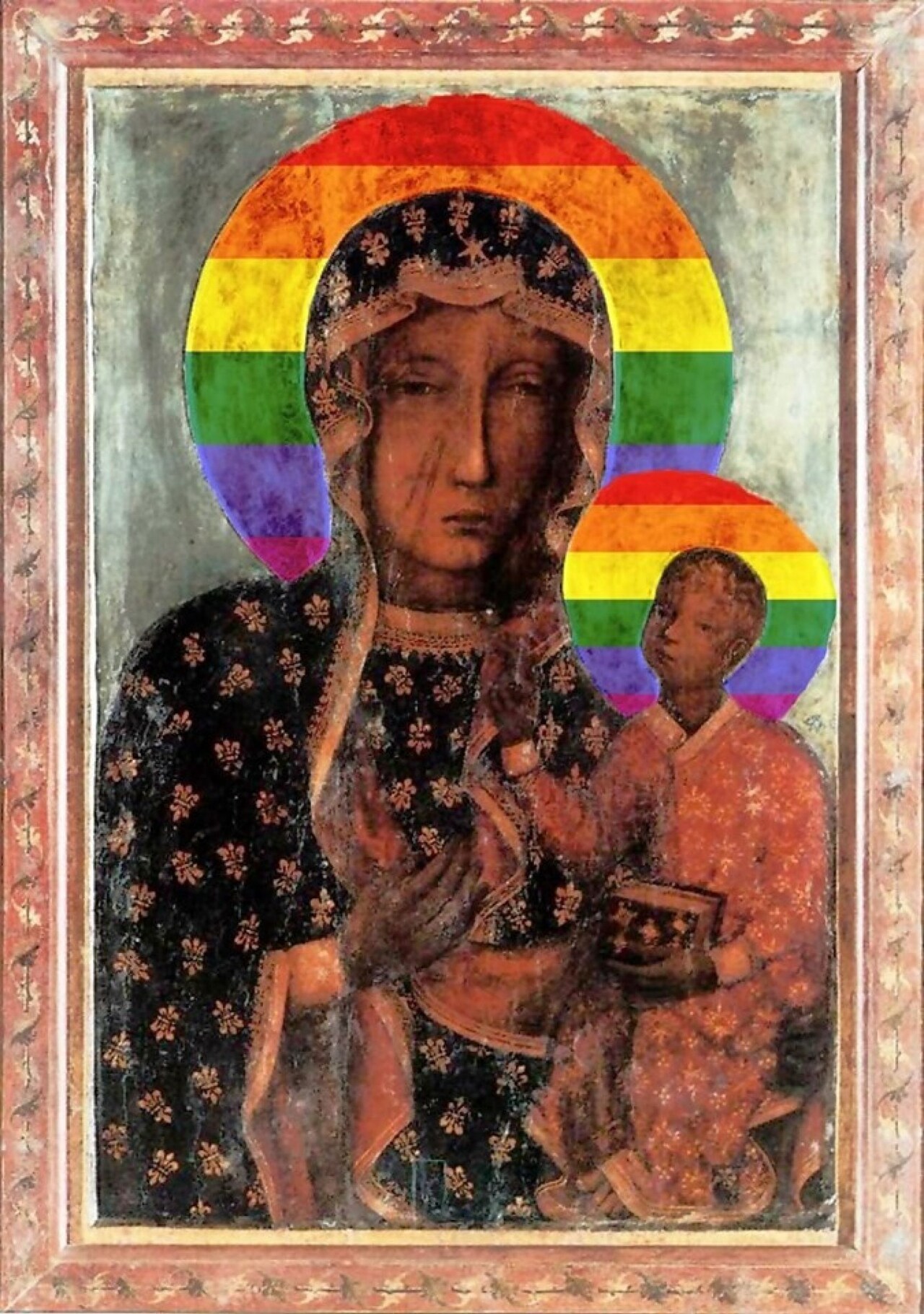
At least 89 countries have laws against blasphemy. Blasphemy laws are a powerful instrument of state repression, not least directed at women. How does the relationship between religious dissent and state power function, and how can a form of resistance be found in blasphemy?
Iranian singer and activist with music inspired by the Women Life Freedom movement
A concert by Iranian singer and activist FarAvaz, with music inspired by the Women Life Freedom movement.
Op 25 en 26 februari 1941 vond de Februaristaking plaats: de enige grootschalige demonstratie tegen de Jodenvervolging door de nazi’s die ooit in bezet Europa heeft plaatsgevonden. Vijfentachtig jaar na deze gebeurtenis staan we stil bij de betekenis van verzet in onze tijd.