
After more than four years of war against Ukraine we ask what international solidarity should look like, and what we can learn from Ukrainian resilience?
Bucha became the embodiment of Russian terror when, shortly after the invasion, more than 400 civilians were killed by Russian forces. Amsterdam mayor Femke Halsema will speak with Bucha’s mayor Anatolii Fedoruk and mayor Natalia Musiienko of Vilniansk, one of the municipalities on the front line. Through what challenges have they led their cities? What should international solidarity look like? And what can we learn from Ukrainian resilience?
Former Dutch Minister of Defence and VVD parliamentary group leader Ruben Brekelmans speaks with Ukrainian assault forces commander Denys Yaroslavskyi. While Ukraine is fighting for European ideals, we ask whether the rest of Europe is equally prepared to stand up for them. How prepared are we to defend democratic values in times of war?
Earlier, it had been announced that the Mayor of Kharkiv Ihor Terekhov would also be present. Unfortunately, due to the currently heightened security situation, he is unable to attend.
Speakers
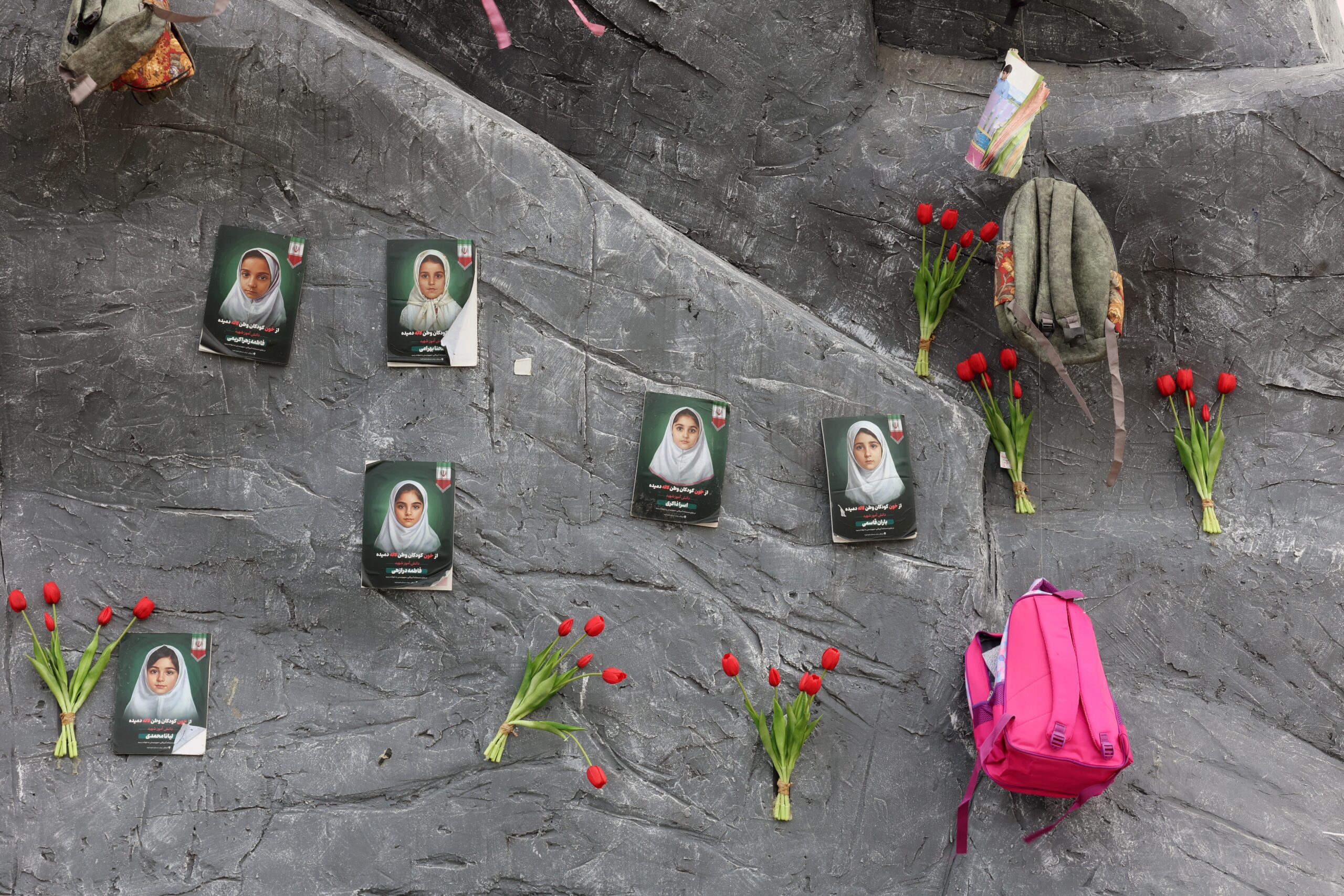
How do you report on a closed dictatorship with an oppressed yet defiant population? Journalist Nilo Tabrizy is an open-source investigative reporter who covers Iran. For Western media, it is almost impossible to provide an accurate picture of what is happening in Iran. One of the most reliable methods to do so is through open-source
In a world marked by war, geopolitical rivalry and shrinking civic space, what is the future of human rights? How can international human rights norms remain credible when they are increasingly contested or violated? And what can be done to safeguard human dignity and the international rule-based order? In conversation with Volker Türk. United Nations