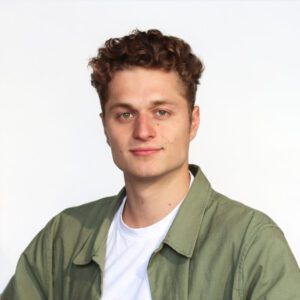
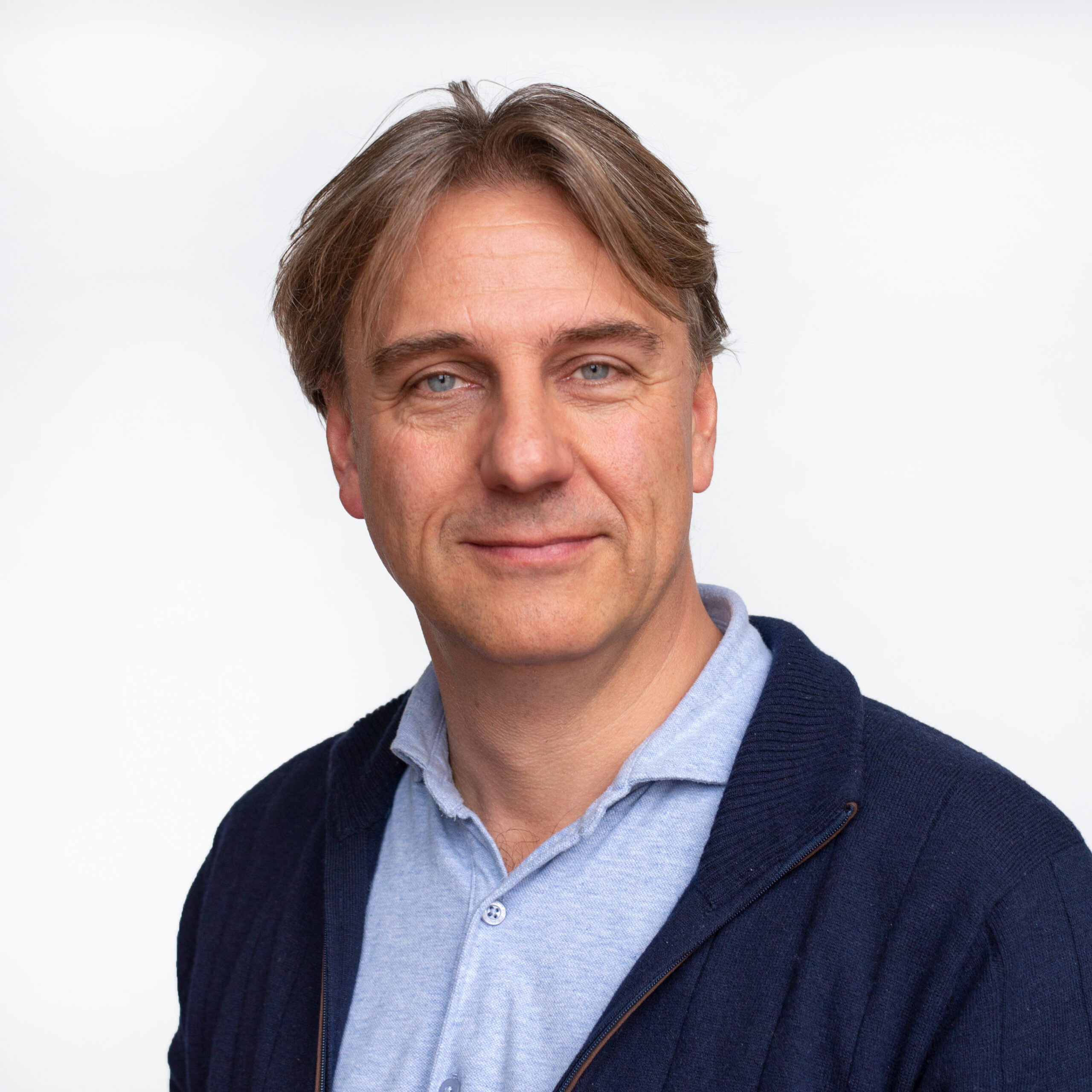
In his highly anticipated new book The Earth Transformed (2023) Peter Frankopan revolutionizes how environments have shaped the development – and demise – of civilizations over time. Our desire to centralize the agricultural surplus is at the root of the bureaucratic state; our growing demands for harvest have resulted in an increase in the shipment of enslaved people. Peter Frankopan, author of the international bestseller The Silk Roads (2015) will open the fourth edition of the Forum on European Culture.
This often-neglected climate-geopolitical relationship will also shape our shared future. During the opening night of the Forum, Frankopan will reflect on this year’s central theme, ‘A Culture for Democracy’. Europe faces a crossroads. Do we decide on a future defined by imperialism and destructive exploitation or a future defined by democracy and ecological restoration?
Claudy Jongstra’s monumental artwork Guernica de la Ecología, with the exact same dimensions as Picasso’s famous war painting, will be the background and conversation piece of this opening programme. In her work, the internationally renowned artist and eco-activist uses natural materials such as wool as a warning against climate change and a plea for biodiversity.
The environment is the very stage on which our existence plays out, shaping everything we do, who we are, where and how we live … and if the theatre closes or collapses, that marks the end for us all.
Peter Frankopan, The Earth Transformed (2023)
About the speakers
Peter Frankopan is a professor of Global History at Oxford University and writer of the 2015 bestseller Silk Roads. He works on the history and politics of the Mediterranean, Russia, the Middle East, Persia/Iran, Central Asia, China and beyond. In his latest book, The Earth Transformed: An Untold History (2023), Peter looks at environmental history, at climate and the ways it has shaped the human and natural past.
Claudy Jongstra is known worldwide for her monumental artworks and architectural installations, whose organic surfaces and nuanced tones reflect her masterful innovations in the ancient technique of making wool felt. Jongstra’s oeuvre, often installed in large public spaces, is included in many international museums as well as private and corporate collections.
In 2001, Jongstra established her studio in the rural North of The Netherlands, where she began a sweeping ecological experiment in the local landscape. Maintaining a flock of rare, indigenous Drenthe Heath sheep (the oldest breed in Northern Europe) and cultivating a specialized dyers’ botanical collection garden, Jongstra creates a completely sustainable chain culminating in her artworks.
This programme is part of Forum on European Culture.
Speakers


More Forum on European Culture:
Europe has a long tradition of utopian and dystopical novelists. ‘Utopia’ from the sixteenth century by Thomas More or ‘Brave New World’ from the twentieth century by Aldous Huxley. But what future do contemporary authors envision? Should literature alert us, congratulate us, or inspire us with hope? Through talks, recitals and exchange, ten European writers

How can the future of Europe be imagined? What are threats to European democracy, and what should we pay attention to? We asked five writers to envision the future of Europe. Whilst looking at the past writers from all over Europe predict the present in a letter on democracy. The first letter will be drafted

Climate change is a European reality. Ece Temelkuran is a prominent Turkish journalist, author, and political commentator on climate change and its impact on societies around the world. In her writings and speeches, Temelkuran emphasizes the urgent need for global action to address this existential threat to humanity. She will be discussing the dilemma of
