with Nobel Peace Prize winner Elena Zhemkova from Memorial
programme maker
Anne Grietje Franssen
Moderator
Yoeri Albrecht
In collaboration with
Prometheus Amplifying Values
In recent years, Russia has systematically dismantled institutions that preserve histories and memories challenging the official state narrative. This evening brings together a Nobel Peace Prize Laureate, scholars of memory, human rights advocates and artists to explore the mechanisms behind both erasure and remembrance.
How can the past be preserved when a regime seeks to suppress it? Why does collective memory matter? And what role can artists, researchers and civil society play in resisting historical erasure?
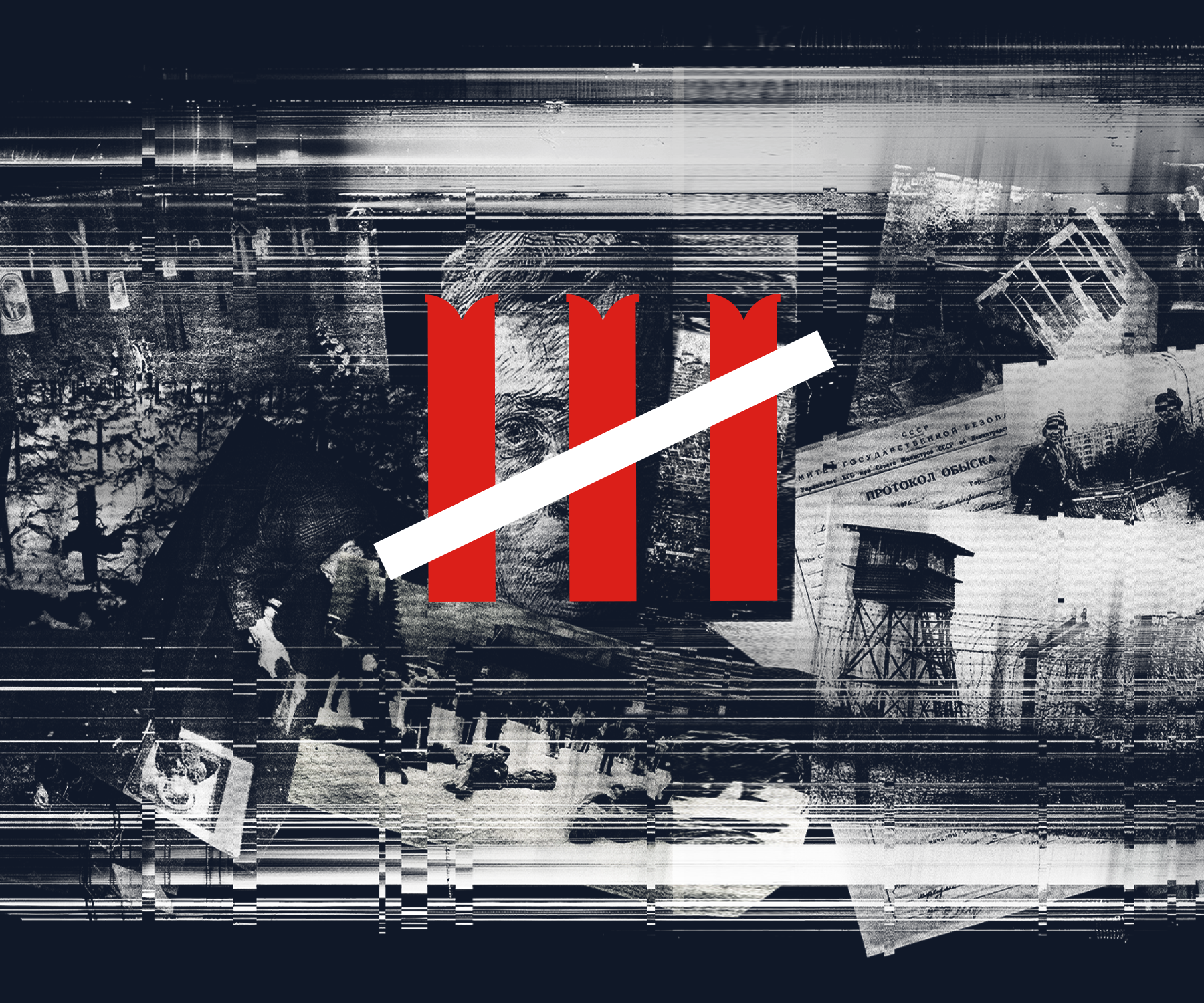
The systematic destruction of historical memory has become one of the defining characteristics of contemporary Russia. The past year alone has provided striking examples. The Gulag History Museum in Moscow—one of the country’s most important institutions documenting Soviet political repression—was forced to close. Memorial, one of Russia’s oldest human rights organisations dedicated to documenting state violence and preserving historical memory, was designated an extremist organisation. Neither institution was punished for promoting violence, but for remembering it.
Programme
19:00–20:00 — Curatorial tours of the exhibition
20:00–21:00 — Public talk: Preserving the Past, Fighting Erasure
21:00–21:30 — Performance: an exclusive preview of Queer Quark, directed by Evgeniya Rudyuk, ahead of its premiere at the Amsterdam Fringe Festival later this month (more about the performance: https://amsterdamfringefestival.nl/en/queer-quark/)
21:30–23:00 — Drinks and informal gathering
Artists Against the Kremlin: Memory Remains The exhibition Artists Against the Kremlin: Memory Remains, on view at De Balie from 14 August to 6 September, is itself an act of remembrance. Through the work of artists forced into exile, silenced or persecuted, it preserves stories of resistance and ensures they remain part of our shared history. The participating artists and curators refuse to forget—and refuse silence—often at great personal risk.
Speakers
Elena ZhemkovaHuman rights defender, co-founder and Executive Director of Memorial Society (Nobel Peace Prize laureate, 2022), currently co-director of Zukunft MEMORIAL
Anna NarinskayaJournalist, curator and playwright
Nanci AdlerProfessor at NIOD Institute for War, Holocaust and Genocide Studies and the University of Amsterdam
Nikolai EppléeResearcher specializing in historical memory