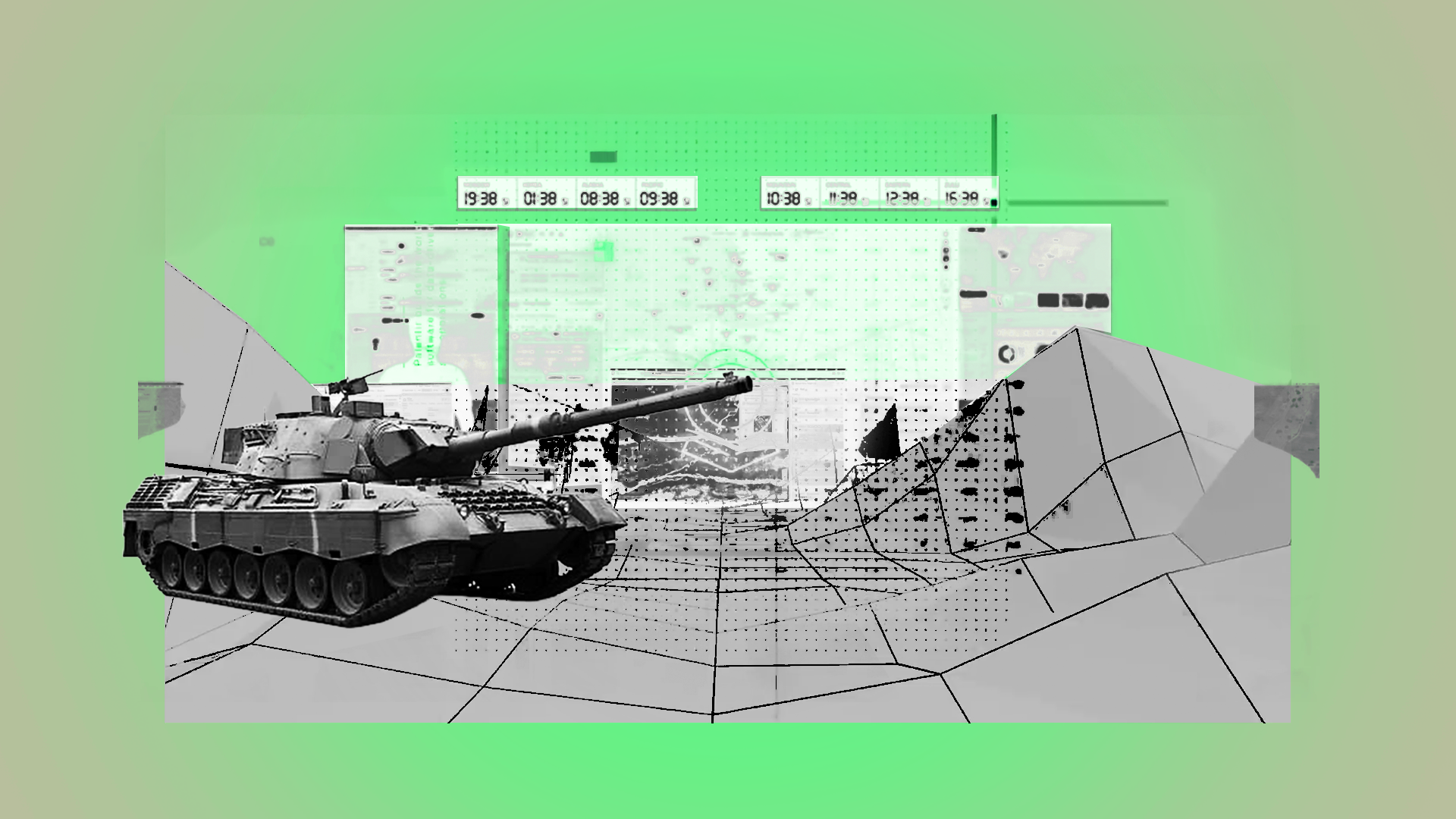
After the short peaceful years that followed the Cold War, the world is rearming itself with nuclear weapons again. What does this renewed nuclear arms race mean for global security?
With the theatrical backdrop of a gigantic submarine, President Macron announced an unprecedented change of course: France wants to broaden its nuclear umbrella and cooperate with other countries, including the Netherlands. The reason for this drastic step is the declining confidence that the American nuclear umbrella will continue to protect Europe in the future.
At the same time, treaties between the United States and Russia (which together possess 90 percent of the world’s nuclear weapons) aimed at limiting the number of nuclear weapons have expired. In addition to the United States and Russia, major powers such as China, India, and France are also modernizing or increasing their number of nuclear warheads.
What does this renewed nuclear arms race mean for global security? Is a second, European, nuclear shield our best guarantee of peace? And what does the rise of AI mean for the way nuclear weapons are controlled and deployed?
Speakers


Met de oorlog in Oekraïne is de Europese geschiedenis blijvend veranderd. Robert Serry, de eerste Nederlandse ambassadeur in Oekraïne, maakte de aanloop naar en het uitbreken van het conflict van dichtbij mee. In zijn nieuwe boek Nog is Oekraïne niet verloren blikt hij terug op de diplomatie achter de schermen en de escalatie die uitmondde in de grootschalige Russische inval van 2022.
Much of Ukrainian history has been misunderstood or overlooked. In conversation with Ukrainian writer Oksana Zabuzhko about her historical novel The Museum of Abandoned Secrets. How are traumatic events in Ukraine’s past remembered – or deliberately silenced? And how do unresolved histories continue to shape lives and identities decades later?
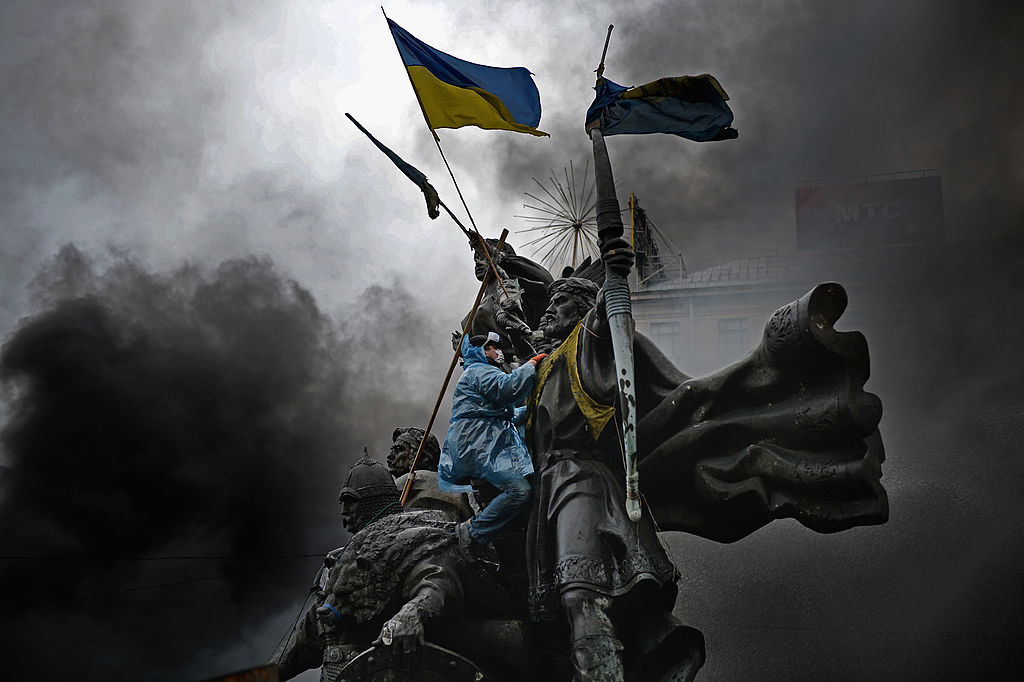
In naam van wiens veiligheid?
Palantir is een van de machtigste en meest mysterieuze bedrijven ter wereld. De Amerikaanse techreus, mede opgericht door MAGA-supporter Peter Thiel, levert essentiële en controversiële software aan (westerse) legers en politiediensten. Ook de Nederlandse overheid is klant. Hoe wenselijk is dat?