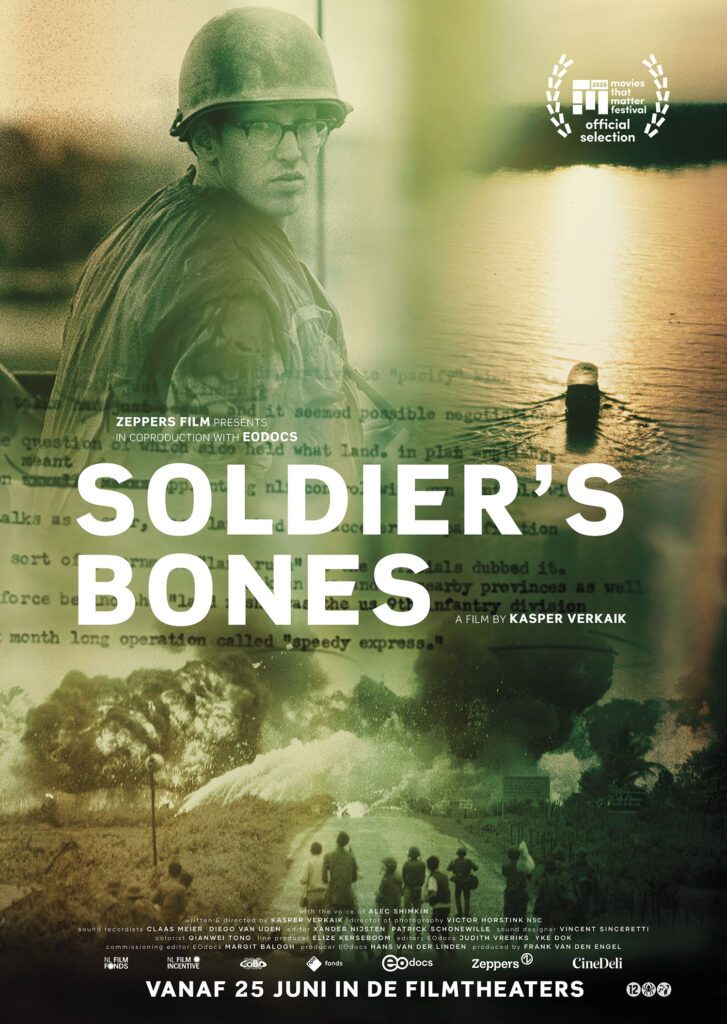
When young journalist Alec Shimkin uncovers a large-scale American war crime in Vietnam, his investigation is buried through self-censorship. Who decides which stories survive?
In 1971, a young Newsweek reporter uncovers a secret U.S. military operation in Vietnam’s Mekong Delta: Operation Speedy Express, during which widespread war crimes are committed. In the wake of the 1968 My Lai massacre, he is convinced that this “Super My Lai” must also be brought to light.
For months, Newsweek suppresses his investigation—under government pressure and through self-censorship within its own editorial ranks. What should have been a major cover story is eventually reduced to a brief, watered-down article with little public impact. The eyewitness testimonies from Vietnamese civilians that Alec had painstakingly collected disappear from the narrative.
Shortly afterwards, Alec goes missing in Vietnam. Soldier’s Bones reconstructs his attempt to expose Operation Speedy Express—the story he never had the chance to finish. What disappeared with him? After the film we engage Dr. Dat M. Nguyen in conversation on the film and the questions it raises: what does Alec’s silence reveal about how stories are shaped, filtered, or suppressed, and about who ultimately decides what becomes visible and what remains hidden?
Sprekers

(photo © Robin Alysha Clemens)
Director: Kasper Verkaik
Running time: 90′
Country of origin: Vietnam, USA
Language: English, Vietnamese
Subtitles: English
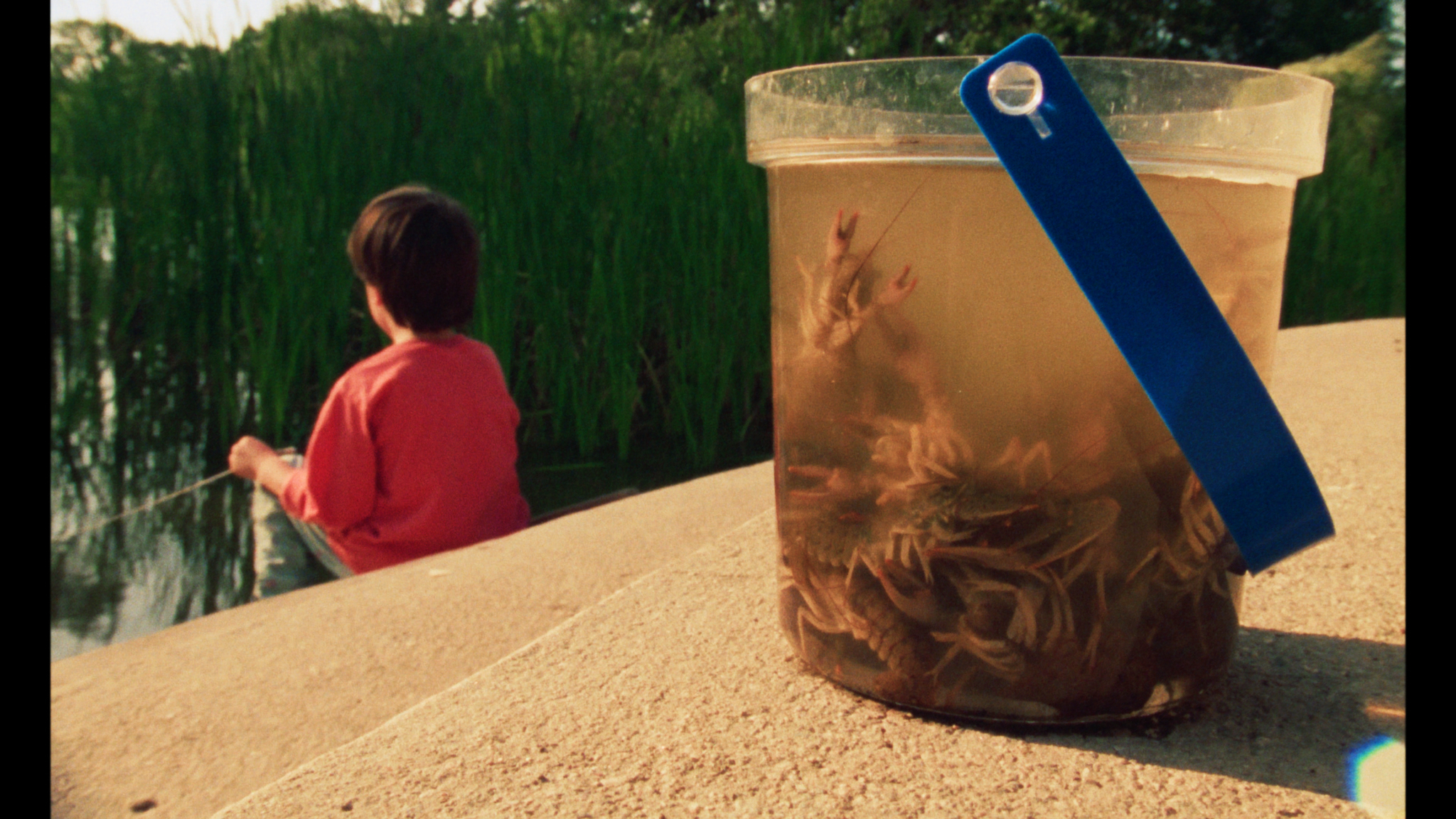
Remake, winnaar van 2 prijzen op het filmfestival van Venetië, bestaat grotendeels uit oude opnamen van Adrian: een pienter en fantasievol jongetje dat in een typisch puber verandert.
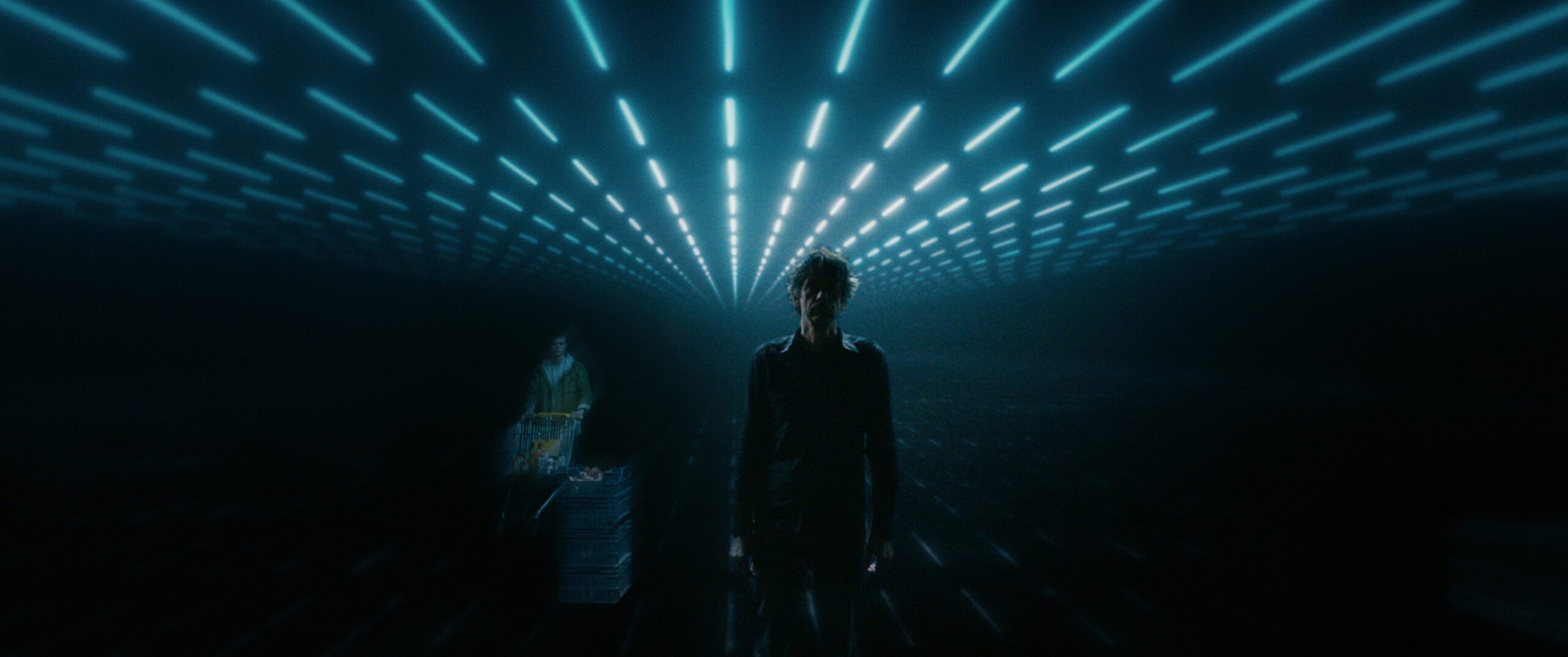
Zes mensen die een psychose meemaakten nemen de kijker mee in hun ervaringen en stellen vragen over de werkelijkheid en het bewustzijn.
In de hoop op een beter leven emigreren de 6-jarige Maja en haar ouders van Joegoslavië naar Denemarken. Willen ze hier wel blijven?