- Director
- Mohammad Rasoulof
- RUNTIME
- 151′
- Country of Origin
- Iran
- RELEASE YEAR
- 2022
- Language
- Persian
- Subtitles
- ENG
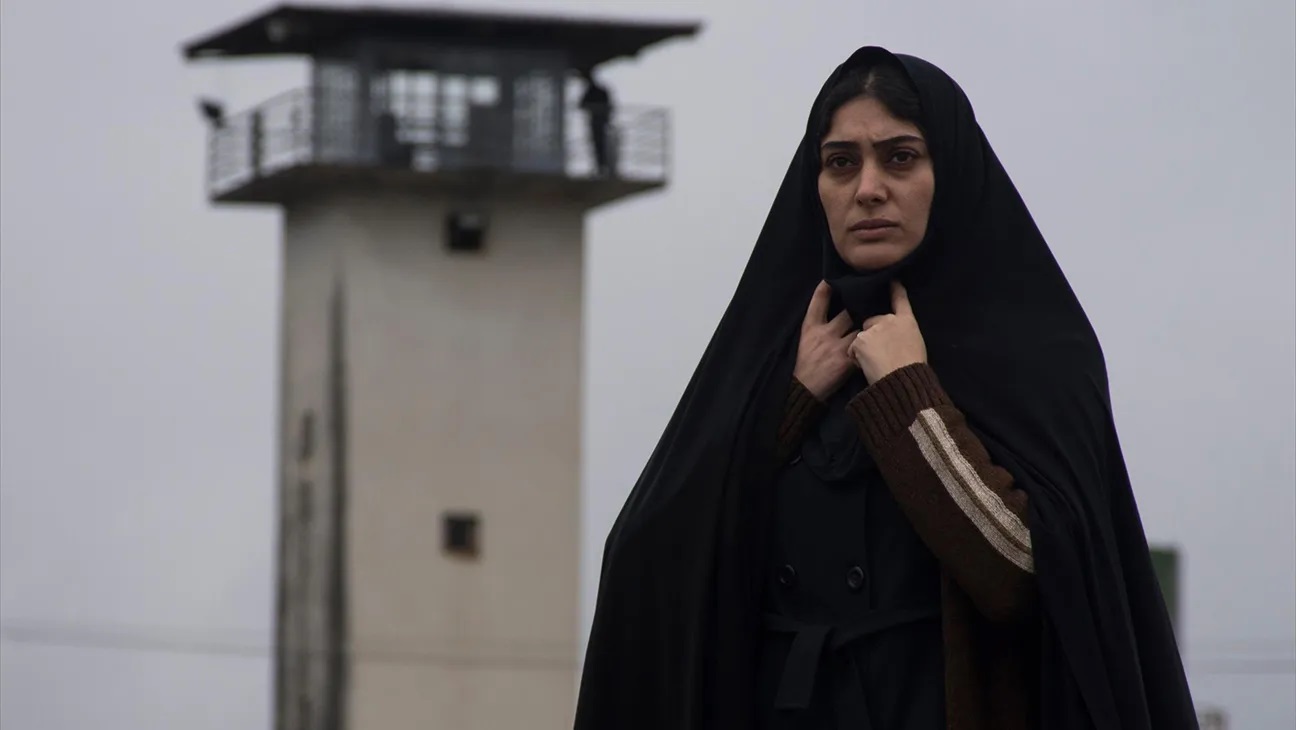
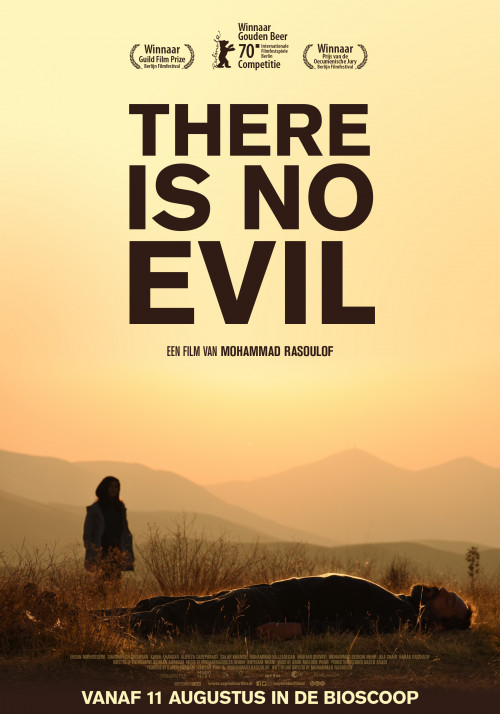
Four stories reveal the human cost of Iran’s death-penalty system, as ordinary people are forced to choose between obedience, resistance and moral responsibility.
A husband returns home after a night shift. A young soldier struggles with an order he cannot accept. A man living in isolation carries the consequences of a decision made years earlier. And a young couple discovers that the past of someone close to them is not what they imagined. Across these stories, Rasoulof moves between the everyday and the extraordinary, revealing how political repression can reach deep into private lives.
Rather than depicting authoritarianism solely through its institutions, There Is No Evil focuses on the individuals who are forced to navigate them. Some obey, some resist, and others try to find a way to live with the consequences of their choices. The result is a quietly devastating film about moral responsibility, complicity and the price of obedience.
The film was made under the shadow of Rasoulof’s own persecution by the Iranian authorities. At the 2020 Berlin International Film Festival, where he was unable to attend because of a travel ban, There Is No Evil won the Golden Bear for Best Film.
On 4 September, Mohammad Rasoulof joins us at De Balie for The Aesthetics of Tyranny, a conversation about power, repression and the representation of tyranny in his work. In the weeks that follow, we present a small retrospective of Rasoulof’s films, offering the opportunity to discover his remarkable body of work on the big screen.
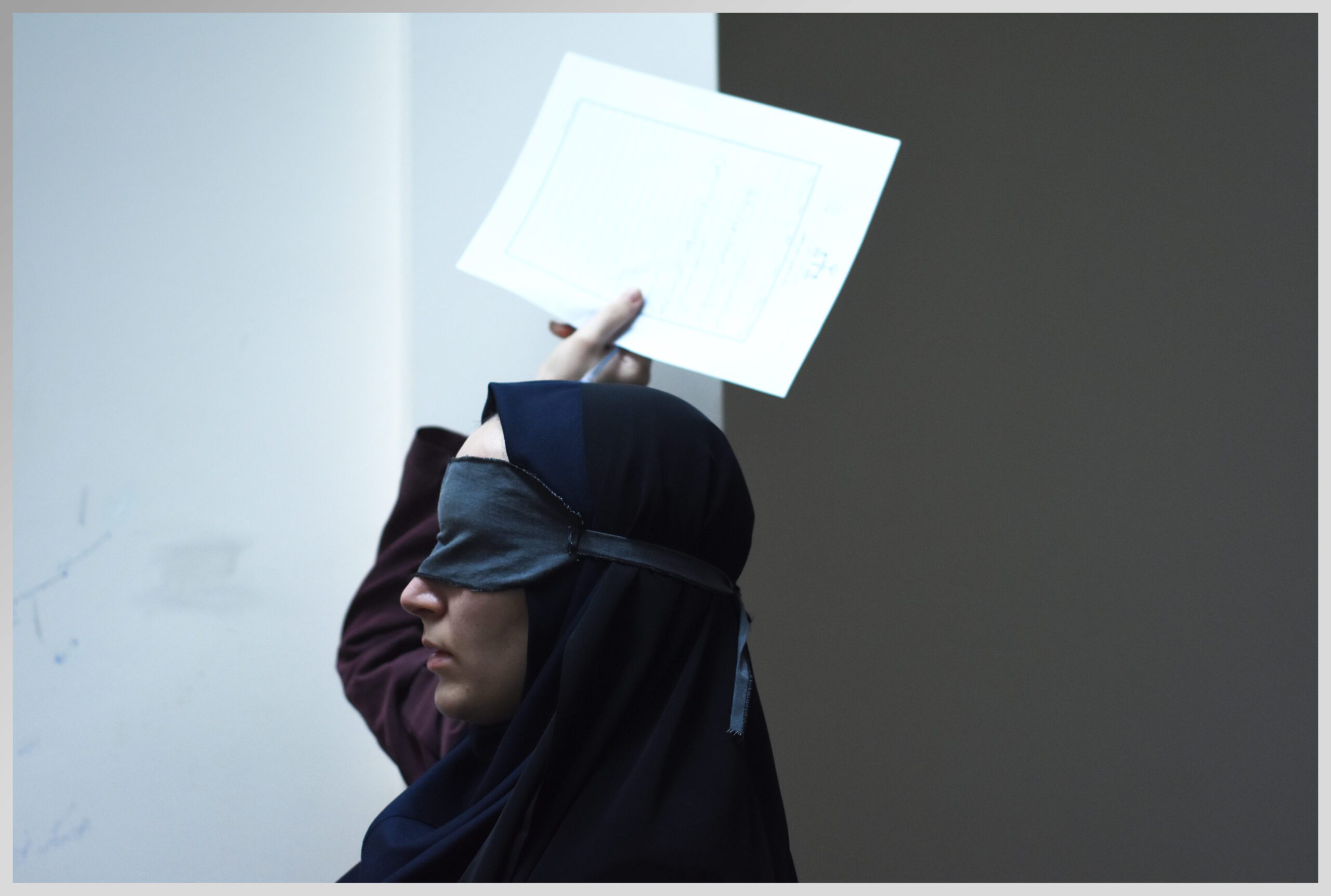
When a judge’s service pistol disappears, mounting political unrest turns a Tehran family against itself as suspicion, fear and authoritarian power invade their home. Iman is appointed as an investigating judge at Tehran’s Revolutionary Court. His promotion brings both prestige and a new burden – as protests erupt across the country, he is expected to
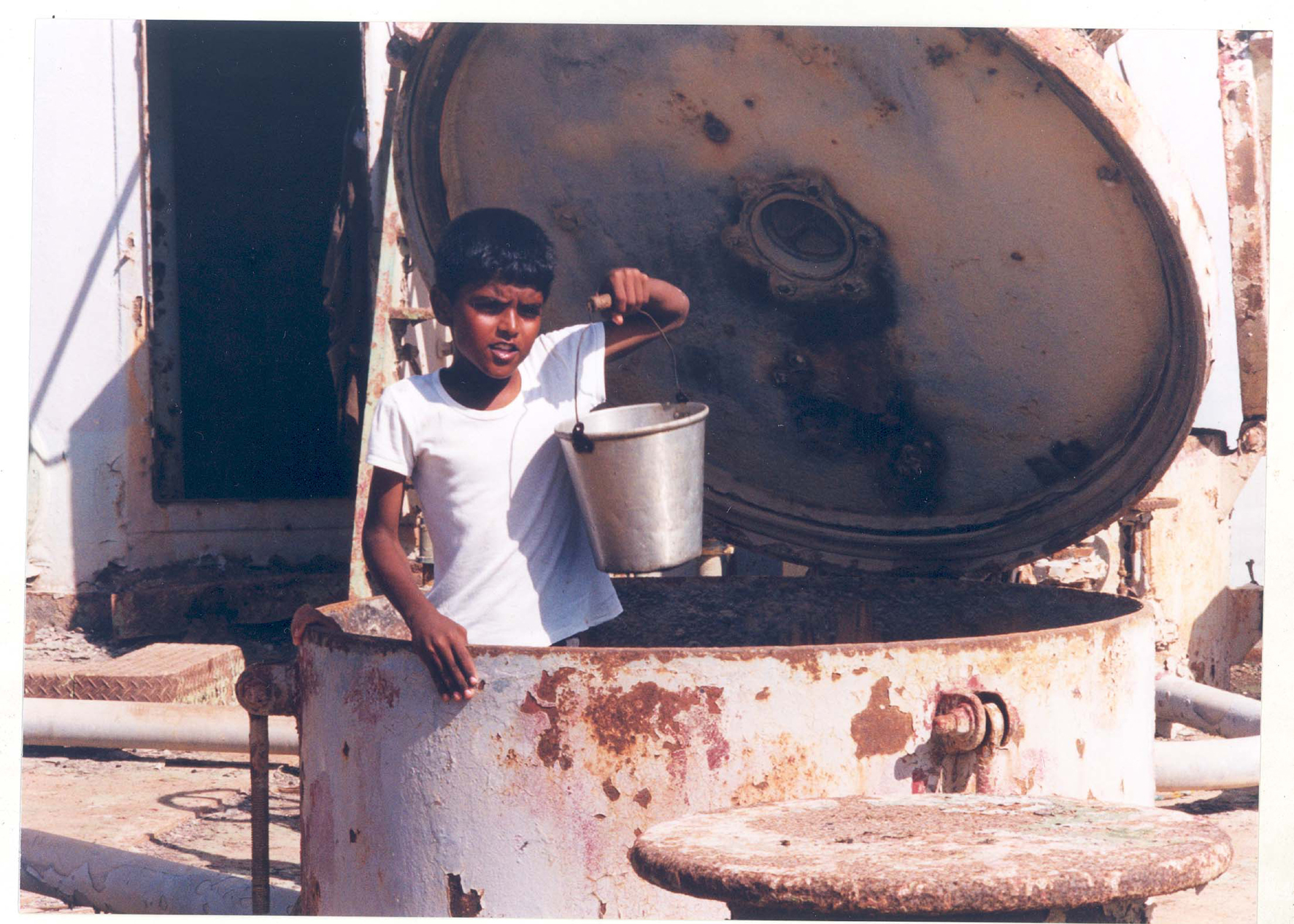
A community living aboard a stranded ship is held together by a charismatic captain whose paternal authority slowly reveals itself as a system of control. A rusting oil tanker stranded in the Persian Gulf has become an unlikely home for a community of poor and displaced families. Here, children go to school, marriages are arranged,