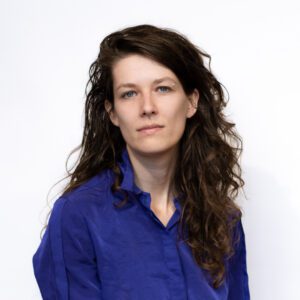
At any time and in any place, societies have created rituals to celebrate their own fundamental values: from the tragedies of Greek antiquity to service in medieval churches. But what are the binding forces in today’s highly individualized, fragmented and diversified society? When and where can individuals perceive themselves as citizens of a democratic European society? Because we cannot talk about a culture of democracy unless that democratic culture is felt and internalized by a sufficient number of its citizens. Tino Sehgal, recognized as one of the most important artists of his generation, will share his ideas of new rituals for contemporary Europe.
Tino Sehgal is famous for his radical art practice, which takes the form of “constructed situations”: live encounters between visitors and those who interpret the work. His work focusses on lived experiences instead of material productions.
Speakers

Forum on European Culture:
Sasha, a colonel in the Ukrainian army who died due to a heart failure, sees his widow Katia and his stepdaughter Oksana prepare his funeral feast. A year later, the country will be engulfed in the events that can make the dead rise. Sasha is ready to be resurrected, but his family is not. They

In his highly anticipated new book The Earth Transformed (2023) Peter Frankopan revolutionizes how environments have shaped the development – and demise – of civilizations over time. Our desire to centralize the agricultural surplus is at the root of the bureaucratic state; our growing demands for harvest have resulted in an increase in the shipment

Europe has a long tradition of utopian and dystopical novelists. ‘Utopia’ from the sixteenth century by Thomas More or ‘Brave New World’ from the twentieth century by Aldous Huxley. But what future do contemporary authors envision? Should literature alert us, congratulate us, or inspire us with hope? Through talks, recitals and exchange, ten European writers
